







What's Happening?
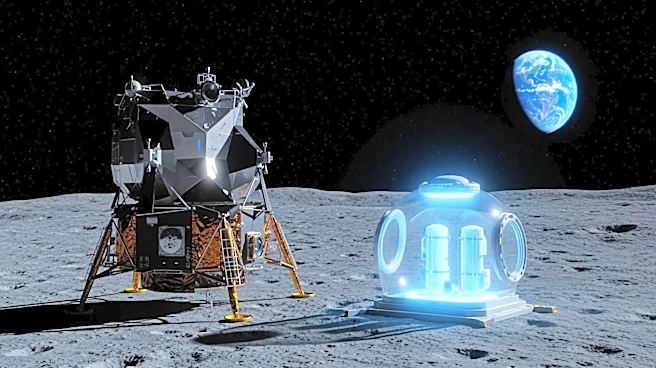
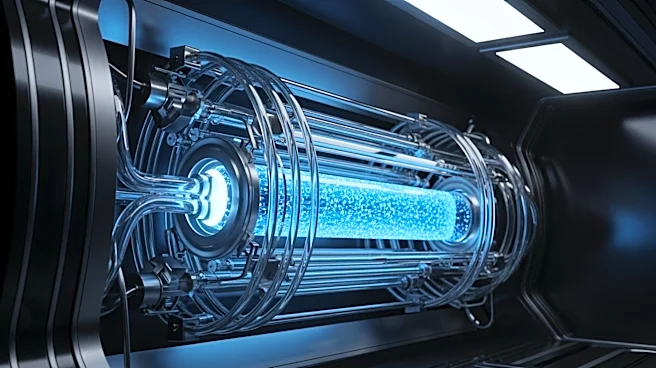
NASA is testing a new portable wastewater treatment system designed for future lunar and Martian habitats at the University of North Dakota. Developed at Kennedy Space Center, the Divergent Deployable Wastewater Treatment Facility aims to convert crew
wastewater into usable resources like water and nutrients for plants. The system will be integrated with UND's Integrated Lunar/Martian Analog Habitat to evaluate its performance. This initiative is part of NASA's broader effort to create bioregenerative life support systems that reduce reliance on Earth-supplied consumables, enabling sustainable living on the Moon and Mars.
Why It's Important?
The development of efficient water filtration systems is critical for long-term human habitation on the Moon and Mars. By recycling water and nutrients, NASA's technology could significantly reduce the need for resupply missions from Earth, making space exploration more sustainable and cost-effective. This advancement supports NASA's goals of establishing permanent human presence on other celestial bodies, which could pave the way for future space colonization. The success of such systems could also have applications on Earth, particularly in areas facing water scarcity.
What's Next?
As the technology matures, the wastewater treatment facility is expected to be tested at multiple simulation sites. These tests will help refine the system and ensure its reliability in extraterrestrial environments. NASA's continued research and development in life support systems will be crucial for upcoming missions to the Moon and Mars. The insights gained from these tests could inform the design of future habitats and support systems, contributing to the success of long-duration space missions.