


What's Happening?
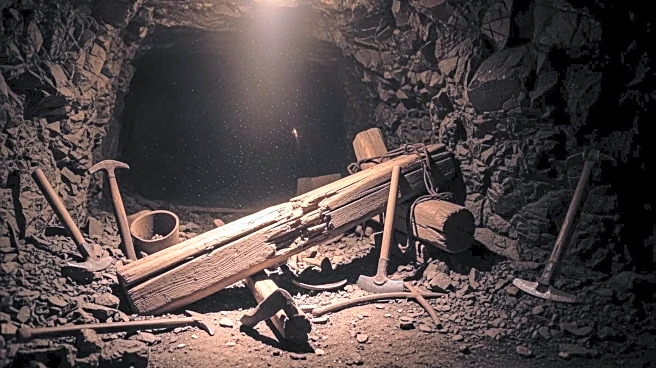
A catastrophic landslide occurred at a coltan mining site in Rubaya, eastern Democratic Republic of Congo, resulting in the deaths of at least 200 individuals. The incident, which took place earlier this week, was attributed to heavy rains that caused
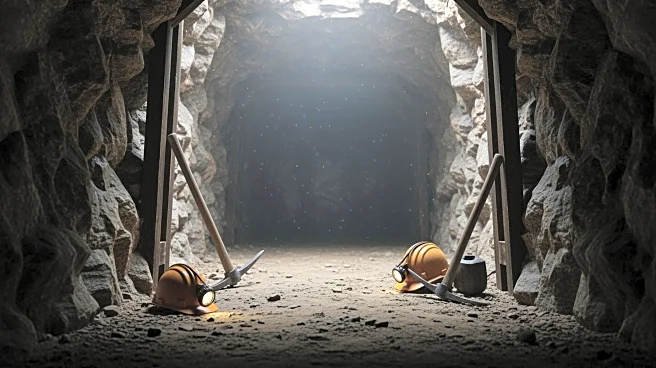
the collapse of several mines. The site is under the control of the M23 rebel group, which has been accused of exploiting the region's resources to fund its insurgency. The rebel-appointed governor of North Kivu province has temporarily halted artisanal mining activities and ordered the relocation of residents living near the mine. The collapse has highlighted the dangerous conditions miners face, as tunnels are often dug by hand without proper safety measures, leading to frequent landslides.
Why It's Important?
The collapse underscores the ongoing humanitarian crisis in eastern Congo, a region rich in minerals but plagued by violence and instability. The area is a significant supplier of coltan, a crucial component in the production of electronic devices such as smartphones and computers. The disruption in mining activities could impact global supply chains, particularly for tech companies reliant on tantalum. Additionally, the incident draws attention to the broader geopolitical dynamics, as the M23 group's control over the mines has financial implications, generating substantial revenue through imposed taxes. This situation complicates efforts to stabilize the region and address the humanitarian needs of millions displaced by conflict.
What's Next?
In response to the disaster, there may be increased international pressure on the Congolese government and regional actors to address the safety and regulatory issues in artisanal mining. Humanitarian organizations might intensify their efforts to provide aid to those affected by the collapse and the ongoing conflict. Furthermore, the incident could prompt discussions among global tech companies about the ethical sourcing of minerals and the need for more sustainable and responsible supply chain practices. The situation also poses challenges for diplomatic efforts aimed at resolving the conflict between the Congolese government and the M23 rebels.
Beyond the Headlines
The mine collapse in Rubaya highlights the ethical and legal challenges associated with resource extraction in conflict zones. The reliance on artisanal mining, often conducted under hazardous conditions, raises questions about labor rights and the responsibilities of companies sourcing minerals from such regions. The incident may also influence international policies on conflict minerals, potentially leading to stricter regulations and transparency requirements for companies involved in the global supply chain. Additionally, the ongoing conflict and resource exploitation in eastern Congo could have long-term implications for regional stability and development.