




What's Happening?
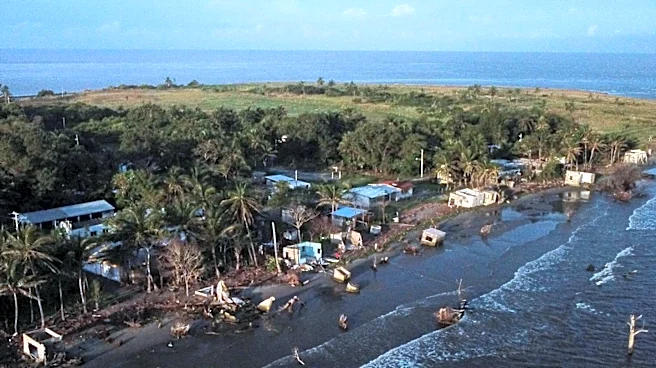
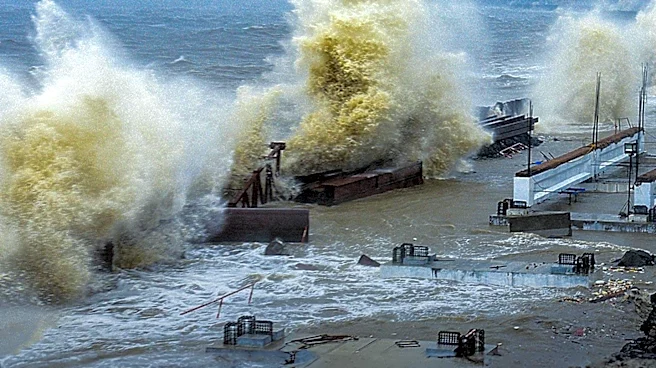
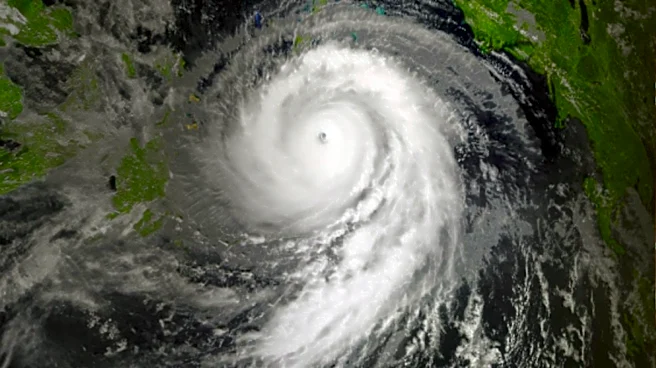
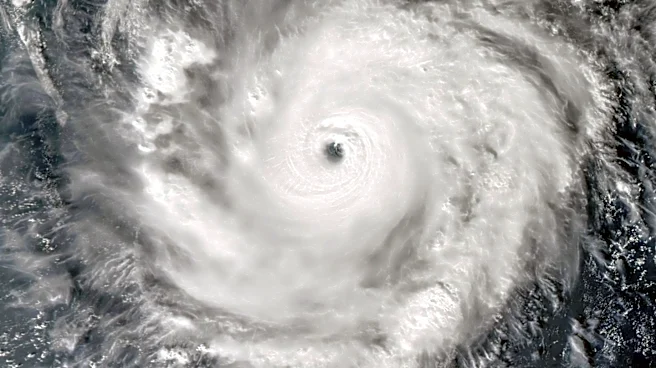
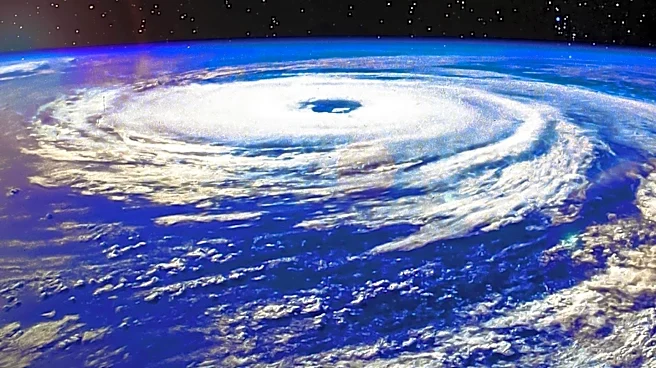
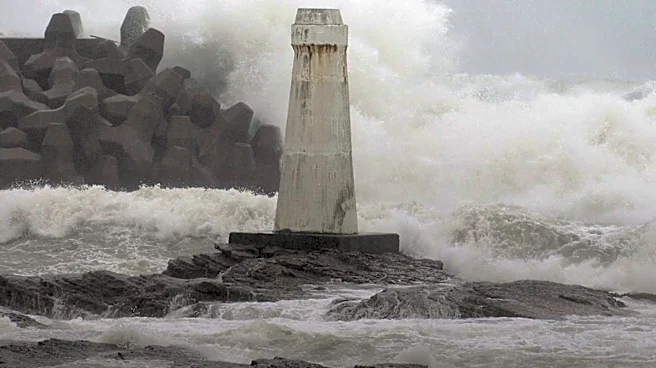
Typhoon Dolphin, the most powerful tropical cyclone to hit China this year, made landfall on the country's eastern coast, bringing torrential rain and strong winds. The storm has led to the evacuation of over one million people and significant disruptions
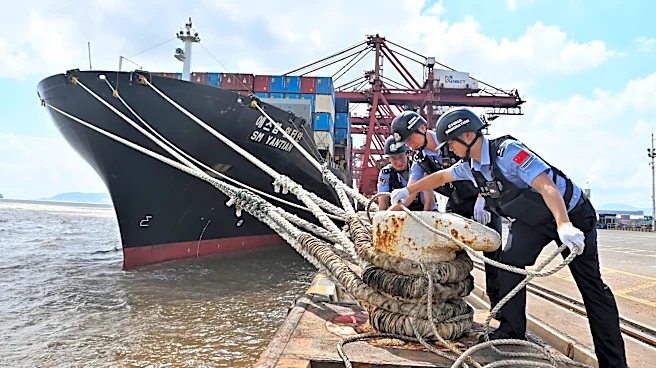
in transportation, including the cancellation of approximately 1,500 flights in Shanghai. The typhoon, which previously affected Japan's Okinawa prefecture, is expected to continue causing heavy rainfall and potential flooding and landslides in several Chinese provinces, including Zhejiang, Shanghai, and Jiangsu. Authorities have taken precautionary measures such as moving offshore workers to safety, ordering vessels back to port, and increasing checks at reservoirs and landslide-prone areas.
Why It's Important?
The impact of Typhoon Dolphin highlights the increasing frequency and intensity of extreme weather events, which scientists attribute to global warming. The extensive evacuations and disruptions underscore the vulnerability of infrastructure and communities to such natural disasters. The economic implications are significant, with potential losses in tourism, transportation, and local businesses. The situation also raises concerns about the preparedness and resilience of affected regions in managing future climate-related challenges.
What's Next?
As Typhoon Dolphin continues its path, authorities are closely monitoring the situation to mitigate further risks of flooding and landslides. Emergency responses remain active, with ongoing evacuations and safety measures in place. The long-term focus will likely shift towards enhancing infrastructure resilience and improving disaster preparedness to better handle similar events in the future.