



What's Happening?
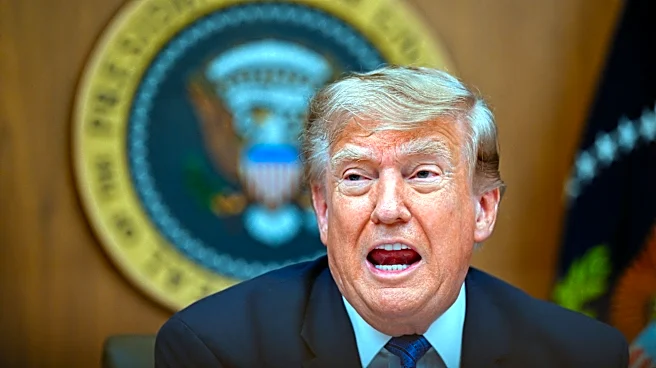
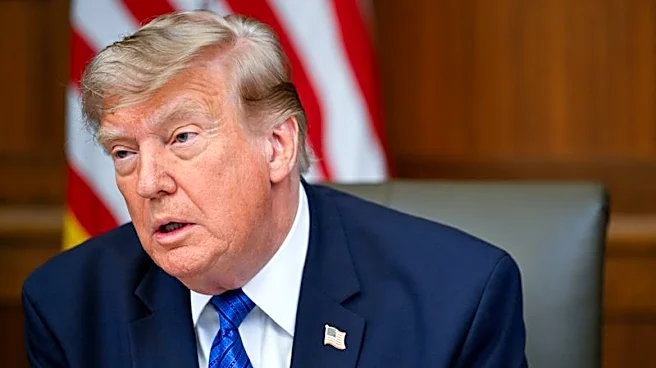
President Donald Trump has publicly blamed Minnesota Governor Tim Walz for recent cyberattacks on the state's water systems, diverging from U.S. officials who suspect Iranian involvement. The cyberattacks, which occurred on July 26 and 27, targeted operational
technology used by community water utilities in Minnesota, affecting over 30 municipal water systems. Despite the ongoing investigation, no specific actor has been attributed to the attacks. Governor Walz criticized Trump's comments, highlighting the dismantling of the U.S. Cybersecurity and Infrastructure Security Agency by the Department of Government Efficiency, which he claims left the U.S. vulnerable to such attacks. The cyberattacks have prompted utilities to issue boil-water notices and switch from automatic to manual operations.
Why It's Important?
The cyberattacks on Minnesota's water systems underscore the vulnerabilities in U.S. critical infrastructure and the potential for foreign interference. The incident highlights the ongoing threat of cyber warfare, particularly from state-sponsored actors like Iran, which has been linked to similar attacks in the past. The political implications are significant, as President Trump's comments shift the focus from international threats to domestic governance, potentially affecting public trust in state and federal cybersecurity measures. The situation also raises questions about the adequacy of current cybersecurity policies and the need for enhanced protection of critical infrastructure.
What's Next?
As investigations continue, federal and state agencies are working to identify the perpetrators of the cyberattacks. The FBI and Environmental Protection Agency have issued warnings to water utilities across the country, indicating a broader threat to U.S. water systems. Governor Walz and other state officials are likely to push for increased federal support and resources to bolster cybersecurity defenses. The incident may also prompt legislative action to address vulnerabilities in critical infrastructure and improve coordination between state and federal agencies.