






What's Happening?
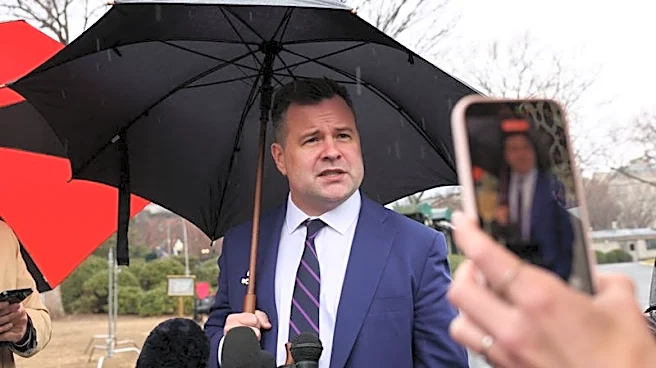
Rep. Bill Foster (D-IL) has reintroduced the Strengthening Oversight for the Financial Sector Act, a bill designed to provide the National Credit Union Administration (NCUA) and the Federal Housing Finance Agency (FHFA) with direct supervisory authority
over third-party technology vendors serving credit unions and government-sponsored enterprises. This legislative effort aims to close a significant regulatory gap, as these agencies currently lack the power to directly oversee the external technology providers that financial institutions increasingly rely upon. The bill addresses growing cybersecurity threats, particularly those exacerbated by artificial intelligence, which can make cyberattacks more sophisticated and exploit vulnerabilities in the financial system. Foster emphasized that the legislation is crucial for protecting consumers' money and sensitive data from AI-assisted cyber threats. The NCUA previously held temporary authority to examine third-party service providers from 1998 to 2002, but this authority has since lapsed. Unlike federal banking regulators, the NCUA currently does not possess general statutory authority to directly supervise and enforce requirements against these third-party providers.
Why It's Important?
This legislation is important because it seeks to enhance the cybersecurity resilience of the U.S. financial system, particularly for credit unions and government-sponsored enterprises. The increasing reliance of financial institutions on third-party technology vendors, coupled with the rapid advancement of artificial intelligence, creates new and complex cybersecurity risks. Without direct supervisory authority over these vendors, the NCUA and FHFA have a regulatory blind spot, potentially leaving a critical vulnerability in the financial infrastructure. The bill aims to mitigate the risk of supply chain attacks, which can cause widespread disruption and compromise sensitive financial data. If passed, it would provide regulators with essential tools to proactively address threats, rather than solely holding financial institutions accountable for vendor due diligence without the ability to directly examine the vendors themselves. This could lead to a more secure financial environment for consumers and a more stable operational landscape for credit unions and related entities, though it may also introduce additional compliance costs for these institutions and their vendors.
What's Next?
The Strengthening Oversight for the Financial Sector Act faces an uncertain path in Congress, given the current political climate, upcoming midterm elections, and a short legislative session calendar. A previous version of the bill, the Strengthening Cybersecurity for the Financial Sector Act of 2022, was approved by the House Financial Services Committee but did not receive a vote on the House floor. The Defense Credit Union Council has already voiced opposition to the measure, citing concerns about potential additional regulatory costs and an expansion of agency authority. However, leaders from both political parties within the NCUA and FHFA, as well as the Government Accountability Office and Financial Stability Oversight Council, have previously advocated for such authority. The bill's progression will likely involve further debate on the balance between enhanced oversight and potential burdens on financial institutions and their third-party providers. Stakeholders will be closely watching how these concerns are addressed as the legislative process unfolds.
Beyond the Headlines
The reintroduction of this bill highlights a broader challenge in the digital age: how to regulate rapidly evolving technology and its impact on critical infrastructure. The reliance on third-party vendors is not unique to the financial sector, and the cybersecurity risks posed by AI are a growing concern across various industries. This legislation could set a precedent for how other regulatory bodies approach oversight of third-party technology providers in sectors deemed critical. The debate also touches upon the tension between regulatory expansion and the potential for increased costs and administrative burdens on businesses, particularly smaller entities. Furthermore, the discussion around AI's role in cyberattacks underscores the ethical and practical implications of advanced technology, necessitating a continuous re-evaluation of security protocols and regulatory frameworks to protect public interests and national security in an increasingly interconnected world.