

What's Happening?
In Arizona, record-breaking temperatures in March have intensified voter concerns over utility costs and climate policies. The state's largest utilities, Arizona Public Service and Tucson Electric Power, are seeking residential rate increases of approximately
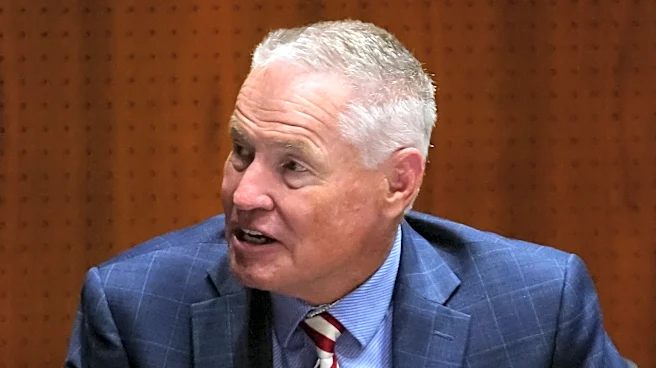
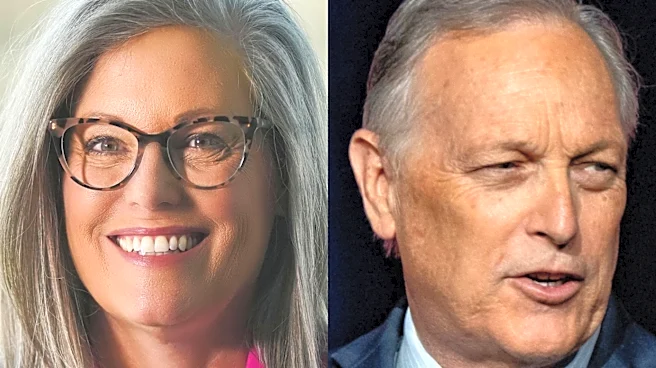
14%, citing increased demand and infrastructure costs. This has become a significant issue in the upcoming elections, with voters facing a loaded ballot that includes a governor's race and several congressional toss-ups. The Arizona Corporation Commission's decision to repeal renewable energy standards has further fueled the debate. Attorney General Kris Mayes has made utility rate hikes a central issue in her reelection campaign, opposing the proposed increases and labeling them as corporate greed.
Why It's Important?
The situation in Arizona highlights the intersection of climate change, energy policy, and economic concerns. Rising utility costs are a pressing issue for many residents, particularly older voters, and have become a focal point in political campaigns. The outcome of the elections could influence future energy policies and regulatory decisions, impacting both the environment and the cost of living. The debate over utility rates also reflects broader national discussions on balancing economic growth with environmental sustainability, as well as the role of government in regulating industries to protect consumers.
What's Next?
The Arizona Corporation Commission is expected to rule on the pending rate cases by the end of December, after the elections. The decisions made by the commission could set precedents for how utility rates are managed in the future. Additionally, the outcome of the elections could shift the political landscape, potentially leading to changes in energy policy and regulatory approaches. Stakeholders, including political leaders, utility companies, and advocacy groups, will likely continue to engage in discussions and negotiations to address these complex issues.