





What's Happening?
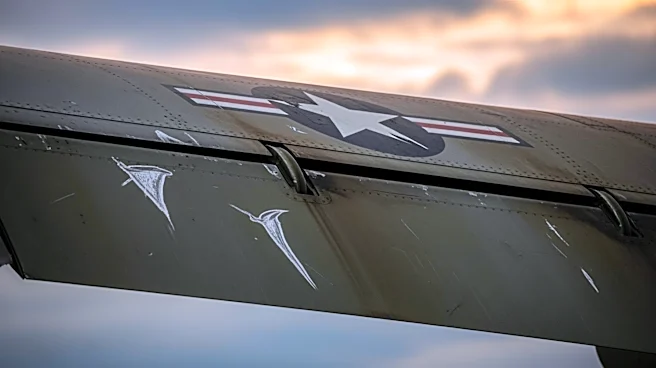
The U.S. Air Force has decided to extend the operational life of three squadrons of A-10 Warthogs, ensuring their use through 2030. This decision is influenced by ongoing military operations in Iran, where the A-10s have demonstrated their effectiveness
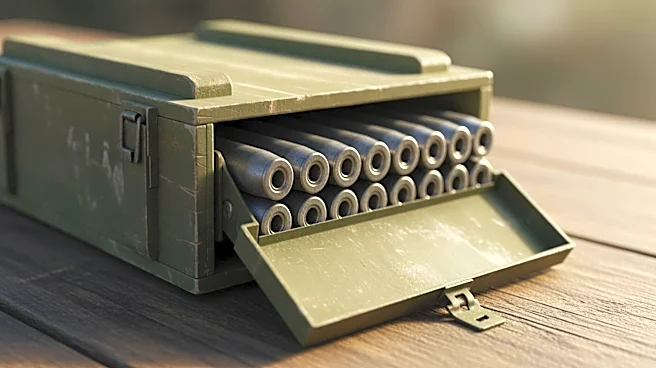
in ground support missions. Known officially as the Thunderbolt II, the A-10 has been a key component of U.S. air power since its introduction, recognized for its distinctive design and capabilities, including a 30mm GAU-8/A Avenger gun and the ability to fly at low altitudes. The extension of the A-10's service life underscores the Air Force's reliance on its unique capabilities and durability in combat situations.
Why It's Important?
The decision to extend the A-10's operational life raises important questions about the future of air combat strategy and the role of legacy platforms. With increasing tensions in regions like Iran, the Air Force's choice suggests a strategic focus on readiness and resilience in ground support operations. This move may indicate a shift away from investing solely in next-generation aircraft, as the A-10 continues to meet operational requirements. The decision reflects the military's recognition of the need for versatile ground attack capabilities amidst evolving threats, potentially impacting the broader landscape of air power modernization.
What's Next?
As the A-10 remains operational, analysts will be closely monitoring how this decision affects air power modernization efforts. The continued use of the A-10 may influence future military procurement and strategy, particularly in terms of balancing investments between legacy platforms and new technologies. The Air Force's reliance on the A-10 could also prompt discussions on the allocation of resources and the prioritization of capabilities that address current and emerging threats.