




What's Happening?
A surge of solar wind is set to trigger geomagnetic storms, making the Northern Lights visible as far south as Illinois and Oregon. This rare event, caused by fast-moving solar wind traveling at speeds of up to 430 miles per second, is expected to create
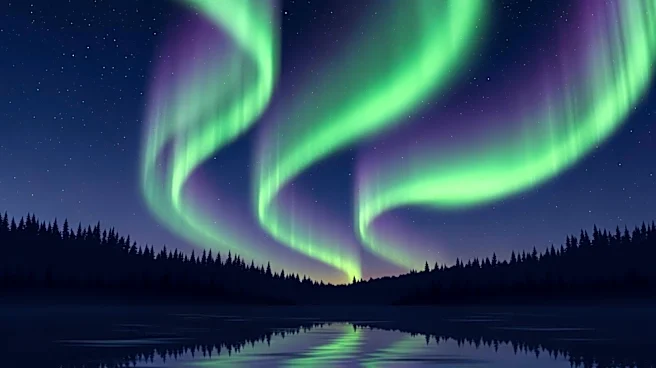
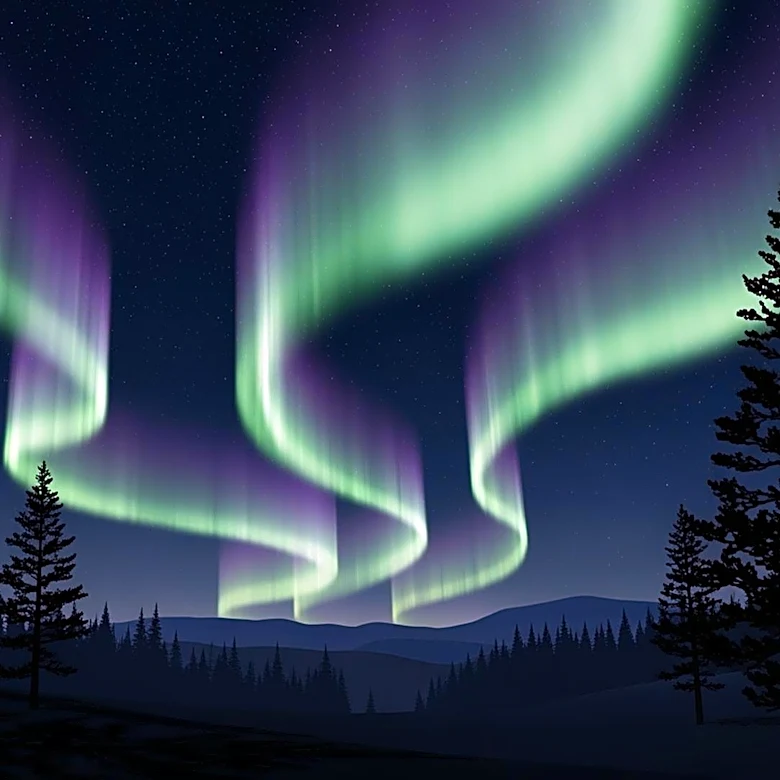
a dazzling display of auroras across mid-latitude regions. The National Oceanic and Atmospheric Administration (NOAA) has issued a storm watch, predicting the most intense aurora activity between 5 p.m. EDT on April 17 and 2 a.m. EDT on April 18. The phenomenon is expected to illuminate the night skies with shimmering green, pink, and purple lights.
Why It's Important?
The expansion of the Northern Lights to southern U.S. states offers a rare opportunity for millions of Americans to witness this natural spectacle, typically confined to polar regions. This event highlights the dynamic nature of space weather and its potential impact on Earth. The visibility of auroras in these regions can increase public interest in space science and awareness of geomagnetic phenomena. Additionally, understanding and predicting geomagnetic storms are crucial for protecting technologies such as GPS, radio communications, and power grids from potential disruptions.
What's Next?
As the geomagnetic storm progresses, NOAA and other space weather agencies will continue to monitor solar activity and provide updates on aurora visibility. Skywatchers are encouraged to find locations with minimal light pollution for optimal viewing. The event may lead to increased public engagement with space weather research and discussions on the importance of monitoring solar activity. Future advancements in space weather prediction could enhance our ability to mitigate the effects of geomagnetic storms on critical infrastructure.