


What's Happening?
South Korean President Lee Jae Myung has announced a series of measures to mitigate the economic impact of rising oil prices due to tensions in the Middle East. South Korea, heavily reliant on Middle Eastern oil, has imposed a price cap on fuel products
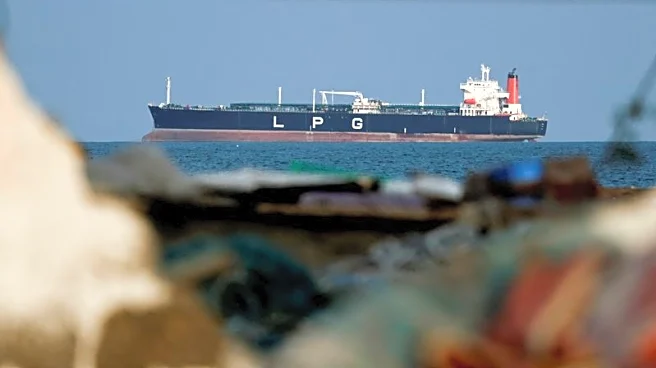
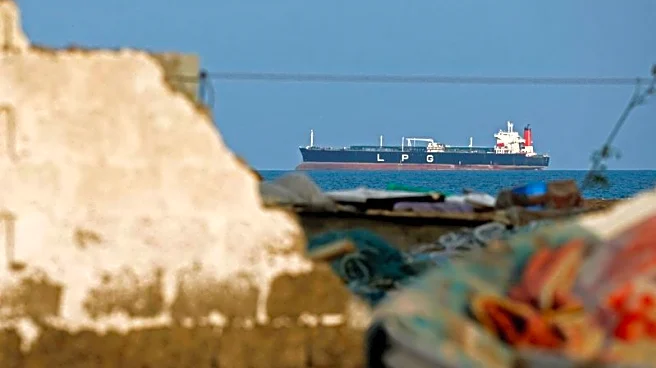
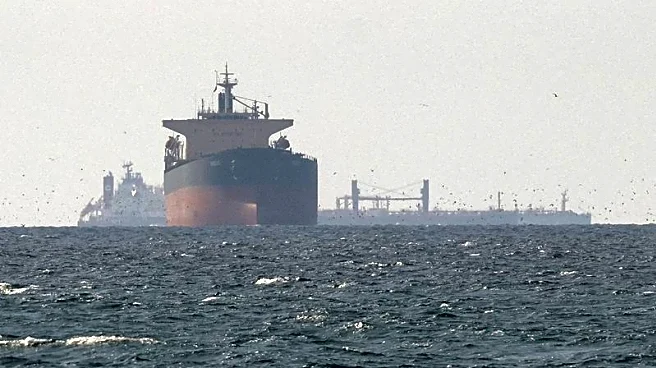
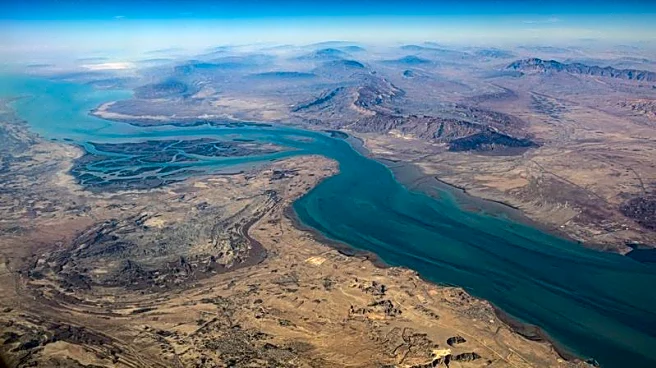
for the first time in nearly 30 years. The government is also preparing a supplementary budget to support vulnerable groups affected by the economic strain. The disruptions in the Strait of Hormuz have led to increased shipping costs, affecting global trade and prompting shipping companies to reroute vessels, further escalating costs.
Why It's Important?
The situation underscores the global economic ripple effects of geopolitical tensions in the Middle East. South Korea's reliance on Middle Eastern oil highlights the vulnerabilities of energy-dependent economies to regional conflicts. The measures taken by President Lee aim to stabilize the domestic economy and protect consumers from the immediate impacts of rising fuel costs. The situation also reflects broader challenges faced by countries in maintaining economic stability amid global supply chain disruptions.
What's Next?
South Korea's government will likely continue to monitor the situation closely and may implement additional economic measures if tensions persist. The international community, including major oil-importing countries, may seek diplomatic solutions to ensure stability in the Strait of Hormuz. The shipping industry will need to adapt to the increased costs and logistical challenges posed by the current disruptions.