





What's Happening?
Lu Jianwang, a community leader in New York's Chinatown, is accused of running a secret Chinese spy outpost in Manhattan. Prosecutors allege that Lu, a naturalized U.S. citizen, opened a satellite office for the Chinese government to monitor a pro-democracy
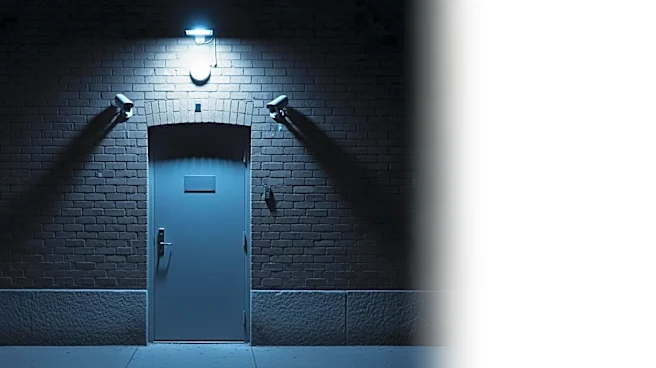
dissident. The office, located at 107 East Broadway, was allegedly used to track the dissident under the guise of a 'Fuzhou Police Overseas Service Station.' Lu's defense argues that the location was a community center for local Chinese residents, providing services such as remote renewal of Chinese driver's licenses during the COVID-19 pandemic. The trial, which began in Brooklyn federal court, is expected to reveal details of Beijing's influence operations in the U.S. Lu has pleaded not guilty to charges of failing to register as a foreign agent and obstructing justice.
Why It's Important?
This case highlights concerns about foreign influence and espionage activities within the United States, particularly by China. The allegations suggest a sophisticated effort by the Chinese government to monitor and potentially suppress dissent among Chinese nationals abroad. If proven, such activities could strain U.S.-China relations and lead to increased scrutiny of Chinese organizations and individuals in the U.S. The trial also underscores the challenges faced by U.S. authorities in identifying and prosecuting foreign agents operating under the guise of community organizations.
What's Next?
The trial is expected to last a week, with testimony from the dissident allegedly targeted by Lu. The outcome could influence future U.S. policy and law enforcement strategies regarding foreign influence operations. A guilty verdict may lead to stricter regulations and oversight of foreign community organizations in the U.S. Additionally, the case could prompt other countries to reassess their diplomatic and intelligence activities within the U.S.