






What's Happening?
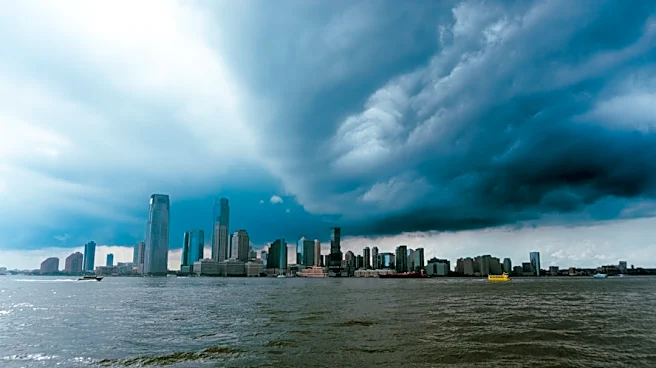
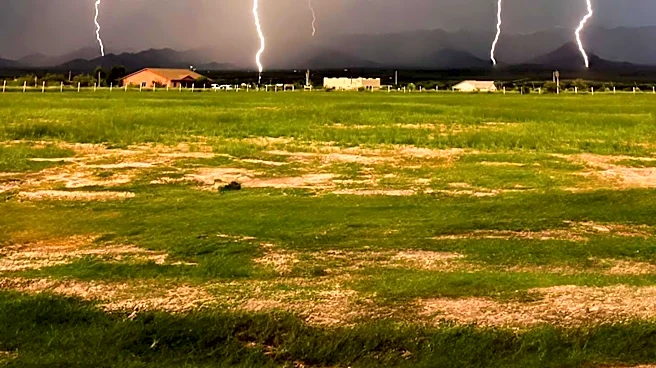
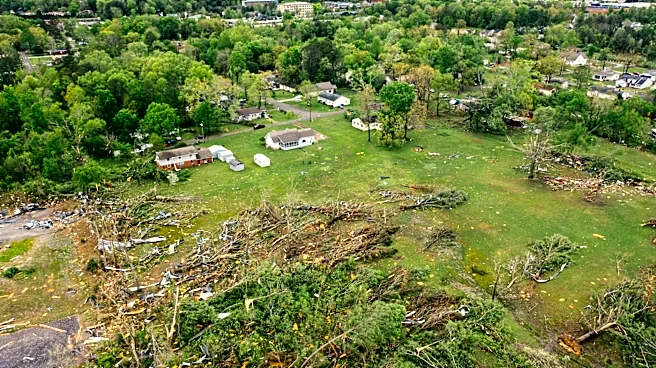
Metro crews are actively working to clear storm damage across the transit system following severe weather on Thursday night. The storm has caused significant disruptions to both Metrobus and Metrorail services in the Washington D.C. metropolitan area.
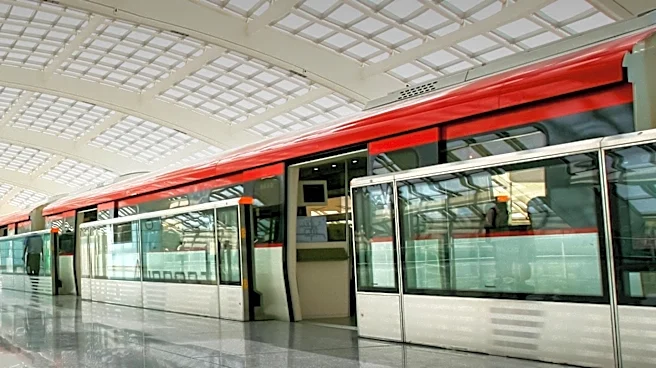
Specific issues include a piece of fallen concrete and damaged third rail near Stadium-Armory, leading to Orange and Blue Line trains single-tracking between Federal Center SW and Stadium Armory. Silver Line trains are operating only between Ashburn and Clarendon to minimize traffic, with New Carrollton-bound Silver Line trains running between Ashburn and Federal Center SW. Additionally, a large track obstruction at Franconia-Springfield has been partially cleared. Metrobus services, particularly several school trips, are also experiencing delays due to weather-related impacts. Crews are collaborating with partners, including the D.C. Department of Transportation, to address fallen debris and other issues.
Why It's Important?
The widespread storm damage and subsequent disruptions to Metro services have a significant impact on the daily commute for thousands of residents in the D.C. metropolitan area. Delays and altered routes on both Metrorail and Metrobus can lead to increased travel times, missed appointments, and economic productivity losses. For students relying on school bus trips, these delays can affect attendance and educational schedules. The need for extensive cleanup and repairs also highlights the vulnerability of critical public infrastructure to severe weather events, underscoring the importance of resilient design and maintenance. This situation emphasizes the essential role of public transportation in urban life and the cascading effects when such systems are compromised, affecting everything from individual routines to regional economic activity.
What's Next?
Metro is urging riders to exercise patience during their morning commute and to check their routes before traveling. Crews will continue working throughout Friday morning to clear remaining storm damage and restore full service. The collaboration with the D.C. Department of Transportation and other partners is crucial for a swift recovery. Depending on the extent of the damage and the progress of repairs, further service adjustments or delays may be announced. The incident will likely prompt a review of infrastructure resilience and emergency response protocols to better prepare for future severe weather events. Commuters should anticipate ongoing impacts and plan their travel accordingly until all services are fully restored.
Beyond the Headlines
This event underscores the broader challenge of maintaining aging infrastructure in the face of increasingly frequent and intense weather phenomena, potentially linked to climate change. The D.C. Metro system, a vital artery for the nation's capital, is a complex network that requires continuous investment and proactive maintenance to ensure reliability. Beyond the immediate inconvenience, such disruptions can erode public trust in transit systems and highlight the need for long-term strategic planning for infrastructure resilience. The incident also serves as a reminder of the interconnectedness of urban systems, where a single event like a severe storm can trigger a cascade of effects across transportation, education, and economic sectors, emphasizing the importance of integrated emergency management and infrastructure modernization efforts.