
What's Happening?
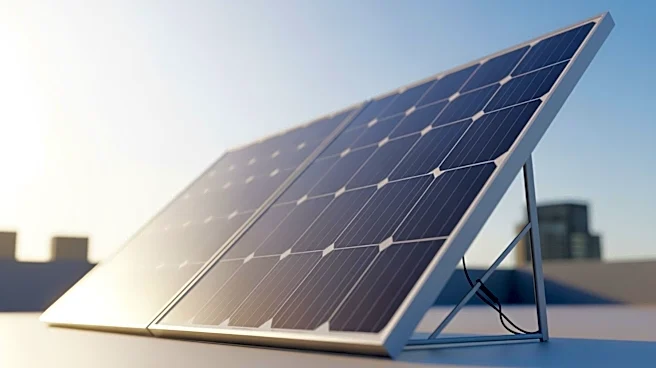
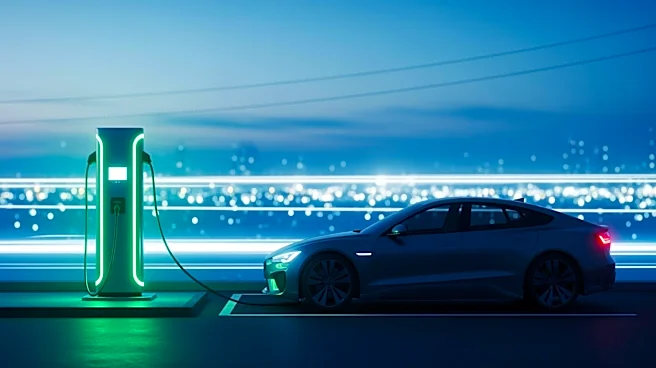
A study published in Nature Communications explores how electric vehicles (EVs) can help stabilize power grids in tropical cities during thunderstorms. Civil engineer Markus Schläpfer and his team propose
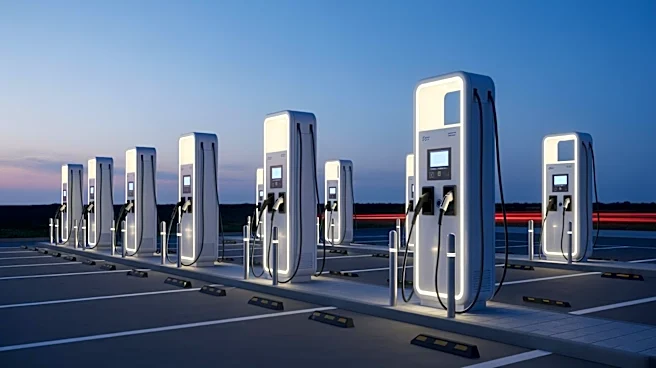
using EV batteries to store and discharge energy, compensating for the loss of solar power during storms. This approach could reduce the need for expensive infrastructure upgrades in dense urban areas. The study focuses on Singapore, where thunderstorms frequently disrupt solar energy generation, and suggests managing EV charging at a neighborhood level to optimize grid stability.
Why It's Important?
The integration of electric vehicles into urban power grids represents a significant advancement in renewable energy management. By utilizing existing EV infrastructure, cities can enhance their resilience to weather-related disruptions without incurring the high costs associated with new transmission lines. This method not only supports the transition to renewable energy but also highlights the potential of EVs as a flexible resource in energy systems. The findings could influence urban planning and energy policies, promoting sustainable development in rapidly growing tropical cities.
Beyond the Headlines
The study's implications extend beyond immediate energy stability, suggesting a shift in how cities approach renewable energy integration. The use of EVs as a grid resource could lead to broader adoption of electric vehicles, driven by their dual role in transportation and energy management. This approach also raises questions about the future of urban infrastructure, as cities may increasingly rely on smart technologies and decentralized energy solutions. The research underscores the importance of innovative strategies in addressing the challenges of climate change and urbanization.