

What's Happening?
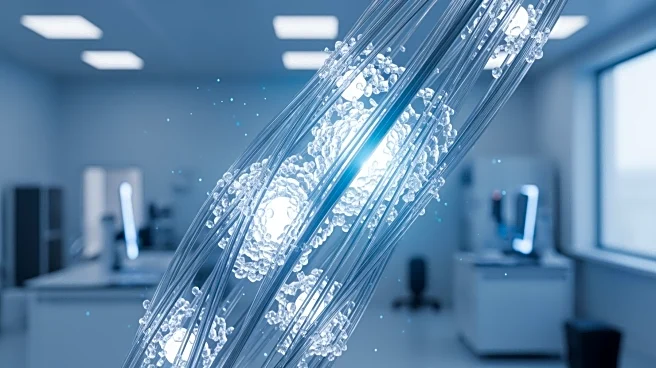
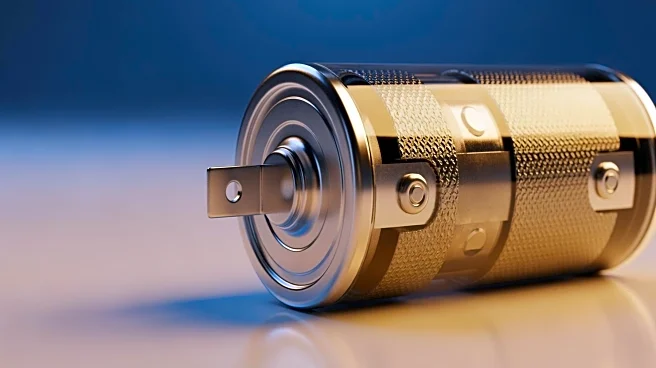
An international research team, co-led by UCLA, has reimagined Thomas Edison's nickel-iron battery design for modern energy storage applications. The new prototype, built using tiny metal clusters and proteins, can recharge in seconds and endure over
12,000 cycles, equivalent to more than 30 years of daily use. This technology, inspired by natural processes like bone formation, offers a fast-charging and durable alternative for storing renewable energy. The study, published in the journal Small, highlights the potential of this battery design for applications such as solar farm energy storage.
Why It's Important?
The revival of Edison's nickel-iron battery design could have significant implications for renewable energy storage. Its rapid charging capability and long lifespan make it an attractive option for storing excess energy generated by solar farms, providing a reliable power source during non-peak hours. This development could enhance the efficiency and sustainability of renewable energy systems, reducing reliance on fossil fuels. Additionally, the use of simple and inexpensive materials in the battery's construction suggests potential for widespread adoption and scalability, contributing to the advancement of clean energy technologies.
What's Next?
Researchers are exploring the use of alternative materials to further improve the battery's performance and reduce costs. They are also investigating potential applications beyond renewable energy storage, such as backup power for data centers. As the technology matures, it may offer a viable solution for various energy storage needs, supporting the transition to a more sustainable energy infrastructure. Continued research and development will focus on optimizing the battery's design and exploring new use cases to maximize its impact.