








What's Happening?
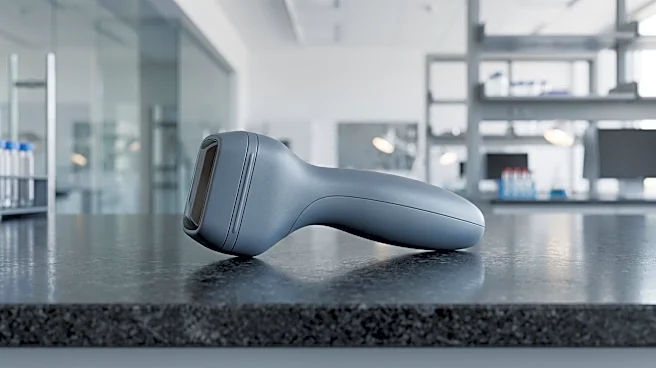
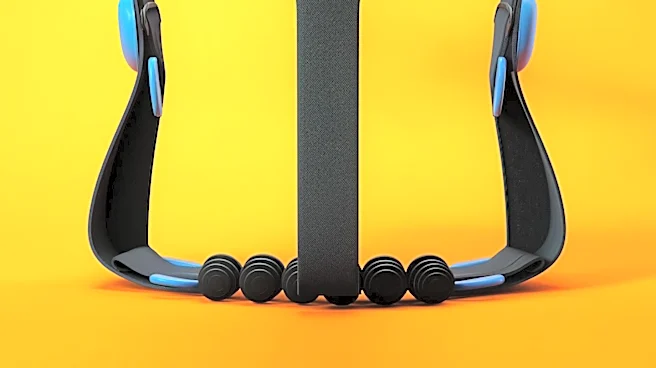
Neuromodulation company Nurosym has introduced a new wearable vagus nerve stimulation (VNS) device, entering a market that is experiencing significant growth in both consumer and clinical interest. This launch coincides with a broader trend in the neuromodulation
sector, where wearable technology is converging with evidence-based neurological treatments. Traditionally, VNS therapy involved surgically implanted devices, but Nurosym's non-invasive wearable platform allows for transcutaneous stimulation, typically applied at the ear or neck, without the risks and costs associated with surgery. This innovation positions the device for wider adoption across various therapeutic areas, including anxiety, depression, inflammation, and autonomic dysfunction.
Why It's Important?
Nurosym's entry into the wearable VNS market is important for the U.S. healthcare landscape as it signifies a move towards more accessible and less invasive neurological treatments. The increasing acceptance of at-home neuromodulation devices for conditions like depression, coupled with strong safety records in spinal neuromodulation, creates a receptive environment for such innovations. This development offers potential alternatives to long-term pharmacotherapy, which has historically dominated psychiatric care, attracting attention from payers and health systems seeking cost-effective and non-pharmacological interventions. For patients, wearable VNS devices could lower the psychological barrier to engaging with neurological treatments, making advanced therapies more approachable and integrated into daily life.
What's Next?
The wearable neuromodulation space is becoming increasingly competitive, and Nurosym's success will depend on combining compelling device design with robust clinical evidence and clear reimbursement pathways. As more wearable VNS platforms emerge and clinical data expands, the industry is moving towards a future where neuromodulation therapy could become as accessible and routine as a prescription. Continued research and development will focus on refining these devices, expanding their therapeutic applications, and demonstrating their long-term efficacy and safety. Regulatory bodies will also play a crucial role in establishing guidelines and approvals for these non-invasive neurological treatments.
Beyond the Headlines
The launch of Nurosym's wearable VNS device has deeper implications for the intersection of technology and mental health. It highlights a growing trend towards personalized, non-pharmacological interventions for neurological and psychological conditions, potentially reducing reliance on traditional medications with their associated side effects. This shift could lead to a re-evaluation of treatment paradigms in mental health, emphasizing the brain-body connection and the role of the vagus nerve in regulating various bodily functions. However, it also raises questions about the potential for over-medicalization of everyday stress or mood fluctuations, and the importance of distinguishing between consumer wellness devices and clinically validated medical treatments. The ethical considerations around neuromodulation and its impact on individual autonomy and well-being will also become increasingly relevant.