



What's Happening?
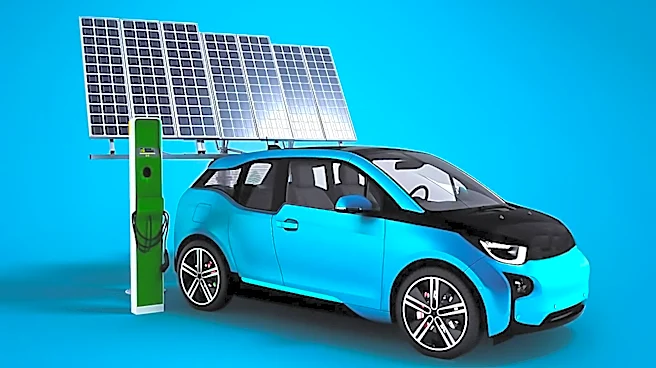
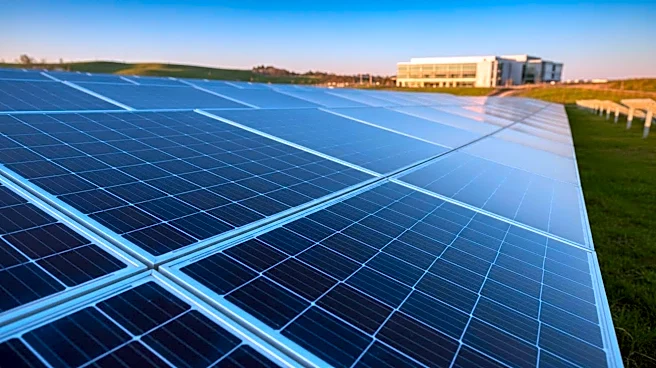
A discussion has emerged regarding the placement of solar panels, questioning why they are often installed on green spaces rather than over car parks. This debate is fueled by a popular internet meme suggesting that car parks could serve as ideal locations
for solar panels, providing shade for vehicles while generating electricity. Proponents argue that placing solar panels over car parks could alleviate strain on the electrical grid by promoting local electricity generation. However, critics point out that installing solar panels on car parks is more expensive due to the additional structural support required. Despite these challenges, some countries, like France, have mandated solar panel installations over car parks to maximize space efficiency and energy production.
Why It's Important?
The placement of solar panels is a significant issue in the context of renewable energy and urban planning. Installing solar panels over car parks could potentially transform underutilized spaces into productive energy sources, contributing to the reduction of carbon emissions and reliance on fossil fuels. This approach aligns with broader efforts to integrate renewable energy solutions into urban environments. However, the higher costs associated with such installations may deter widespread adoption without regulatory mandates or incentives. The debate highlights the need for innovative solutions to balance economic feasibility with environmental sustainability, impacting policy decisions and urban development strategies.
What's Next?
As the conversation around solar panel placement continues, it is likely that more regions will consider regulatory measures similar to those in France, requiring solar installations over car parks. This could lead to increased investment in infrastructure to support such projects, potentially driving down costs over time. Additionally, advancements in technology may offer more cost-effective solutions for integrating solar panels into urban landscapes. Stakeholders, including government agencies, environmental groups, and the private sector, will need to collaborate to address the economic and logistical challenges of expanding solar energy infrastructure.