






What's Happening?
Chinese President Xi Jinping has stated that the Middle East and Gulf region should not become a battleground for great-power rivalry and geopolitical conflict. Speaking to Omani Sultan Haitham bin Tariq al-Said, President Xi emphasized China's commitment
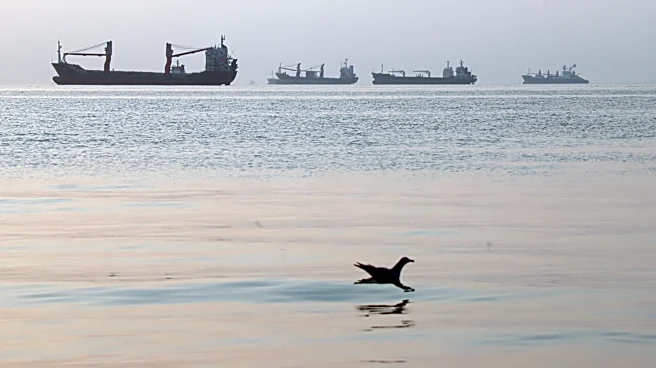
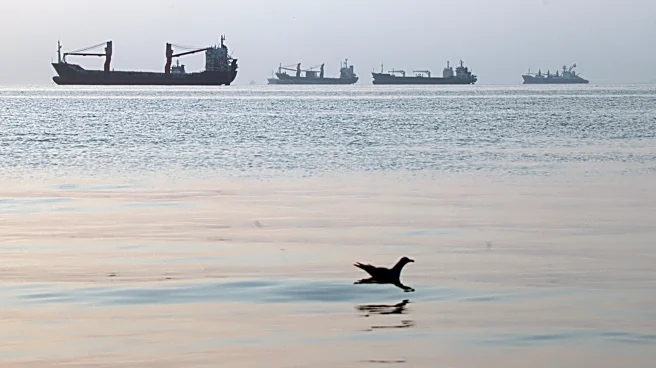
to peace and stability in the region, offering Chinese wisdom and solutions to resolve security dilemmas. This comes as China has increased its diplomatic efforts in the Middle East, particularly amid tensions that have impacted the Strait of Hormuz and global energy costs. The two nations issued a joint statement agreeing on the need for normal and safe navigation in the Strait of Hormuz and urged the U.S. and Iran to pursue peaceful options and resume dialogue. Sultan Haitham's visit to Beijing marks the first by an Omani head of state since diplomatic ties were established in 1978, highlighting deepening relations between the two countries. Oman, a significant crude oil and energy products exporter to China, is also seeking to expand cooperation in renewable energy supply chains and digital commerce.
Why It's Important?
President Xi's remarks underscore China's growing assertiveness in global diplomacy, particularly in regions traditionally dominated by Western influence. By advocating for a Middle East free from great-power rivalry, China positions itself as a neutral mediator and a proponent of multilateralism, potentially challenging the U.S.'s long-standing role in the region. The call for peaceful resolution between the U.S. and Iran, and the emphasis on safe navigation in the Strait of Hormuz, directly addresses critical U.S. interests related to global energy security and maritime trade. Increased cooperation between China and Oman, especially in energy and digital commerce, could further shift geopolitical and economic alignments, potentially impacting U.S. strategic interests and economic partnerships in the Middle East. This diplomatic push also reflects China's broader strategy to secure energy resources and expand its economic footprint globally, which could have long-term implications for international trade dynamics and U.S. economic influence.
What's Next?
China's special envoy to the Middle East, Zhai Jun, is scheduled to visit Iran, Oman, and Saudi Arabia this month, indicating a continued and intensified diplomatic engagement in the region. This visit will likely focus on reinforcing China's message of peace and stability, exploring further economic cooperation, and potentially mediating in ongoing conflicts. Oman's expressed interest in a preferential bilateral trade and investment agreement with China suggests that economic ties between the two nations are set to deepen, potentially leading to new trade routes and investment opportunities. The expansion of cooperation into new energy fields like solar and wind power, along with digital commerce, signifies a strategic shift towards future-oriented industries. These developments could lead to increased Chinese influence in the Middle East's energy sector and technological landscape, potentially altering existing power balances and requiring a strategic response from the U.S. and its allies.
Beyond the Headlines
China's diplomatic overtures in the Middle East, framed around non-interference and economic cooperation, represent a subtle but significant challenge to the traditional Western-centric international order. The emphasis on resolving disputes through peaceful means and fostering stability aligns with China's broader 'Belt and Road Initiative,' which seeks to integrate economies through infrastructure and trade. This approach could resonate with nations in the Middle East seeking to diversify their international partnerships and reduce reliance on any single global power. The deepening of ties with countries like Oman, a key energy producer, also highlights China's long-term strategy to secure critical resources and enhance its energy security. This shift could lead to a more multipolar world order, where economic and diplomatic influence is distributed among several major powers, potentially leading to complex geopolitical dynamics and requiring the U.S. to adapt its foreign policy strategies in the region.