


What's Happening?
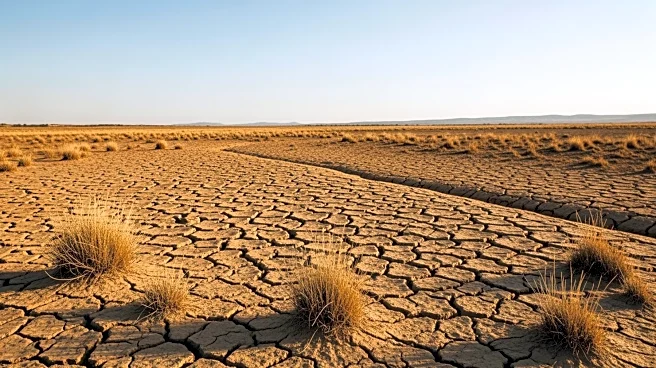
The Quapaw Nation in Oklahoma has successfully restored a large area of land that was heavily contaminated by mining activities. The land, known as the Laue, was part of the Tar Creek Superfund site, one of the most contaminated areas in the United States.
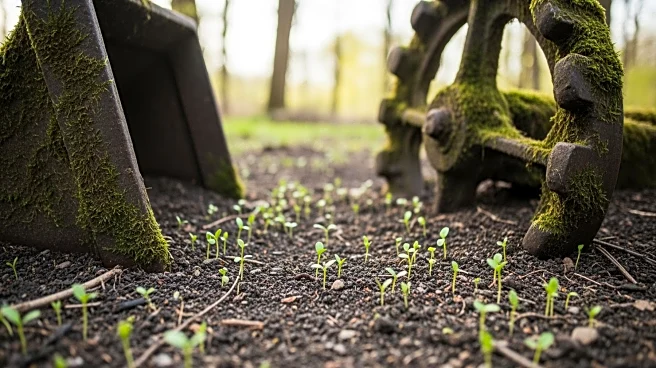
The contamination resulted from extensive lead and zinc mining in the Tri-State Mining District, which left behind toxic chat piles. The Quapaw Nation, the first tribal nation to manage a Superfund cleanup, has cleared the land of these chat piles, restored the soil, and returned it to agricultural use. This effort has allowed the tribe to expand its farming operations, including cattle grazing and crop production, thereby reclaiming their land and heritage.
Why It's Important?
This restoration project is significant as it demonstrates the ability of indigenous communities to manage and rehabilitate their lands independently. The Quapaw Nation's efforts not only address environmental contamination but also promote economic self-sufficiency through agriculture. By transforming a toxic wasteland into productive farmland, the tribe has created jobs and generated revenue, contributing to their economic independence. This initiative also serves as a model for other communities facing similar environmental challenges, highlighting the importance of local leadership in environmental restoration and sustainable development.
What's Next?
The Quapaw Nation plans to continue expanding its agricultural operations on the restored land. The tribe is exploring various uses for the land, including planting native grasses and using it for hunting. The ongoing restoration efforts are expected to create more jobs and further enhance the tribe's economic stability. Additionally, the Quapaw Nation's success may encourage other indigenous communities to undertake similar projects, potentially leading to broader environmental and economic benefits.
Beyond the Headlines
The Quapaw Nation's restoration project underscores the broader issue of environmental justice, particularly for indigenous communities disproportionately affected by industrial pollution. The project highlights the need for policies that support indigenous-led environmental initiatives and recognize the unique relationship between native peoples and their lands. It also raises questions about the long-term impacts of industrial activities on indigenous territories and the responsibility of governments and corporations in addressing these issues.