







What's Happening?
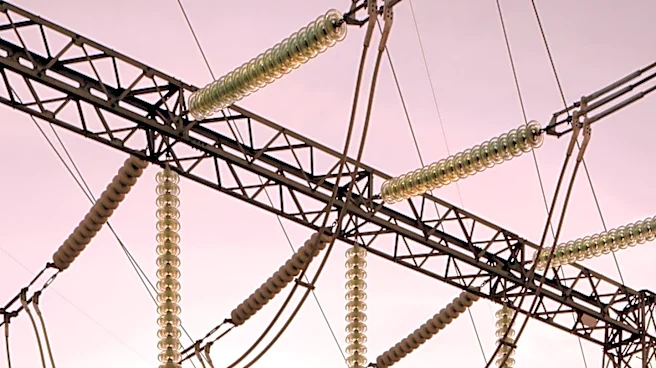
Eversource Energy, National Grid, and Unitil have filed lawsuits against Hydro-Québec, seeking $40 million in direct compensation. This legal action stems from a 12-day period last winter when the New England Clean Energy Connect (NECEC) transmission
line, designed to bring Canadian hydropower to New England, ceased exports during extreme cold temperatures in Québec. The utilities argue that Hydro-Québec's failure to supply power forced them to purchase substitute electricity from fossil fuel sources at significantly higher spot prices and acquire additional renewable energy credits to meet state environmental mandates. They contend that extreme Canadian winter conditions are foreseeable, making Hydro-Québec's unpreparedness an operational failure rather than an unpredictable emergency. Hydro-Québec, however, asserts that the export halt was mandated by Québec's independent grid operator due to surging domestic demand, classifying it as a mandatory grid reliability protocol beyond corporate control, thus absolving them of liability.
Why It's Important?
This $40 million lawsuit highlights significant vulnerabilities in cross-border clean energy agreements and the reliability of renewable energy supply during extreme weather events. For New England, the NECEC was a cornerstone of its climate goals, and its failure during peak demand raises questions about energy security and the transition to a decarbonized grid. The dispute will likely set precedents for future international energy contracts, particularly concerning force majeure clauses, operational reliability, and financial liabilities when supply is interrupted. The outcome could influence how U.S. states structure their energy portfolios, potentially leading to more diversified energy sources or stricter contractual terms with international suppliers. It also underscores the complex interplay between energy policy, environmental mandates, and the practical realities of grid operation in challenging conditions, impacting both utility companies' financial stability and consumer energy costs.
What's Next?
The legal battle between the New England utilities and Hydro-Québec is expected to proceed through court, with both sides presenting arguments regarding contractual obligations, foreseeability of extreme weather, and the role of independent grid operators. This case will likely involve extensive discovery and expert testimony to determine liability. Beyond the courtroom, the incident may prompt a re-evaluation of energy infrastructure resilience in New England, potentially leading to investments in local energy storage solutions or diversified import agreements. Future cross-border energy contracts between U.S. states and Canadian provinces are likely to include more stringent clauses regarding supply guarantees, penalties for non-delivery, and clearer definitions of emergency conditions. The outcome could also influence regulatory bodies to review and update guidelines for energy reliability and environmental compliance during supply disruptions.
Beyond the Headlines
This dispute uncovers deeper implications regarding the geopolitical aspects of energy independence and interdependence. While the NECEC was hailed as a step towards clean energy, its failure reveals the inherent risks of relying on external sources for critical infrastructure, especially when those sources prioritize domestic needs during crises. This situation could foster a renewed focus on national energy self-sufficiency and the development of domestic renewable energy projects, potentially shifting investment away from large-scale cross-border transmission lines. Ethically, it raises questions about the responsibility of energy providers to maintain supply, even under duress, and the fairness of passing on increased costs to consumers due to external operational failures. Culturally, it may fuel debates about the balance between environmental goals and energy security, particularly in regions susceptible to extreme weather, influencing public perception of large-scale renewable energy projects and international energy partnerships.