






What's Happening?
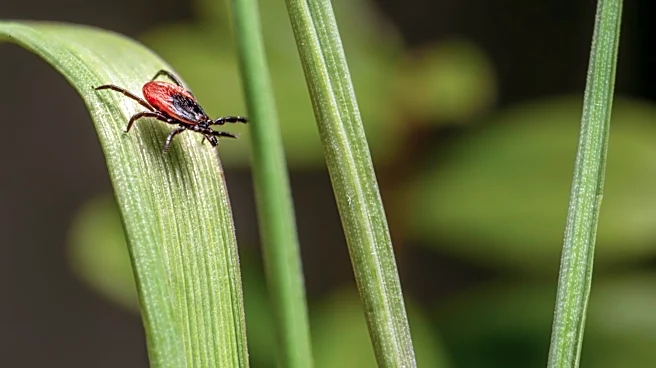
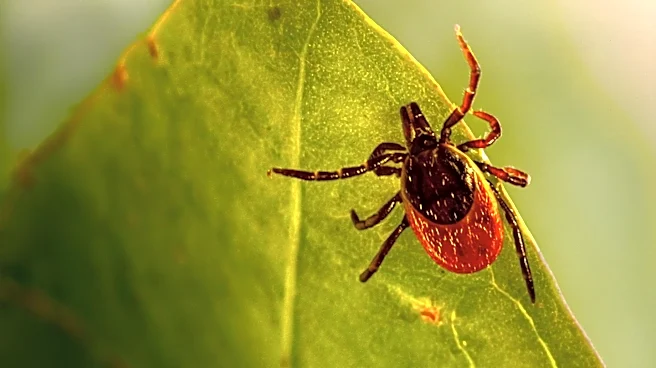
With tick populations increasing across the U.S., viral TikTok hacks for tick removal are gaining popularity. However, experts warn that many of these methods, such as using petroleum jelly, heat, or nail polish, can be ineffective and potentially dangerous.
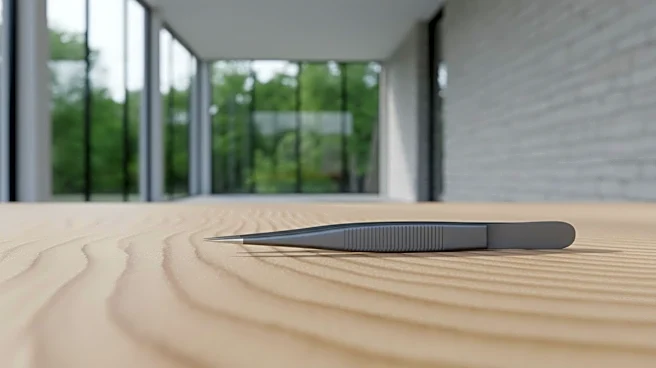
These methods may agitate the tick, increasing the risk of infection by forcing infected fluids into the skin. Experts recommend using fine-tipped tweezers for safe tick removal, emphasizing the importance of controlled removal to minimize infection risk. The rise in tick-borne diseases like Lyme disease and Powassan virus highlights the need for effective prevention and removal techniques.
Why It's Important?
The spread of misinformation through social media platforms like TikTok can have serious health implications. Ineffective tick removal methods can increase the risk of tick-borne diseases, which are on the rise in the U.S. This situation underscores the importance of public health education and the dissemination of accurate information. Healthcare providers and public health officials may need to increase efforts to educate the public on safe tick removal practices to prevent the spread of diseases. The reliance on social media for health advice highlights the need for critical evaluation of online information.
What's Next?
Public health campaigns may be launched to counteract misinformation and educate the public on safe tick removal practices. Healthcare providers might see an increase in consultations related to tick bites and tick-borne diseases, prompting a need for updated training and resources. Social media platforms could face pressure to regulate health-related content more strictly to prevent the spread of harmful misinformation. Continued monitoring of tick populations and disease incidence will be crucial in managing public health risks.