
What's Happening?
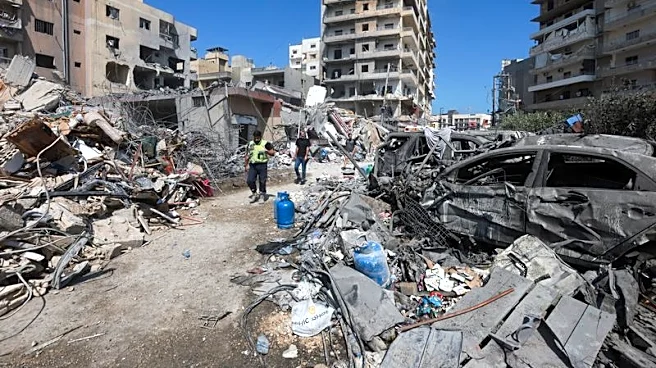
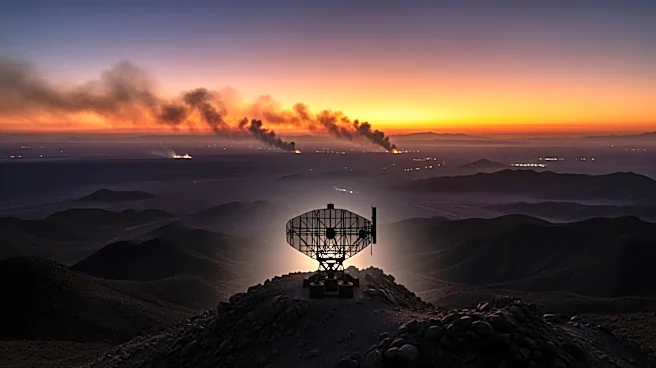
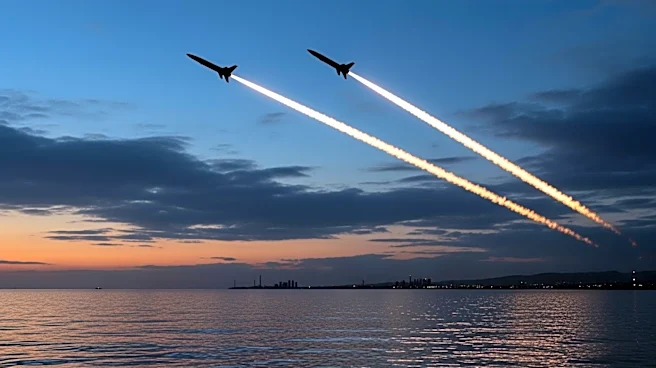
Iran has initiated significant military strikes on Bahrain and Kuwait, marking one of the largest escalations since the onset of regional conflicts. In response, the United States has targeted Iranian
positions, further intensifying the situation. These developments come amid ongoing tensions in the Middle East, where various geopolitical interests are at play. The strikes by Iran are seen as a direct challenge to U.S. influence in the region, and the U.S. military's retaliatory actions underscore the volatile nature of the current geopolitical landscape.
Why It's Important?
The escalation of military actions by Iran and the U.S. in the Middle East could have far-reaching implications for global security and economic stability. The region is a critical hub for oil production and shipping, and any prolonged conflict could disrupt global oil supplies, leading to increased prices and economic uncertainty. Additionally, the involvement of major powers like the U.S. in these conflicts highlights the potential for broader international involvement, which could further complicate diplomatic efforts to stabilize the region.
What's Next?
The immediate future may see increased diplomatic efforts to de-escalate tensions, with potential involvement from international bodies like the United Nations. However, the risk of further military engagements remains high, particularly if retaliatory actions continue. Key stakeholders, including regional allies and global powers, will likely engage in negotiations to prevent a full-scale conflict, but the path to peace remains uncertain.