




What's Happening?
The Neon Museum in Las Vegas is actively preserving the city's unique history by collecting and restoring iconic neon signs from demolished casinos and businesses. Established in 1996, the museum began with a single sign from the Hacienda Hotel and has
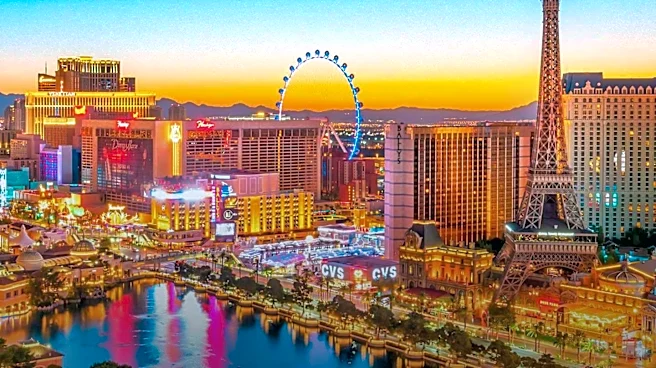
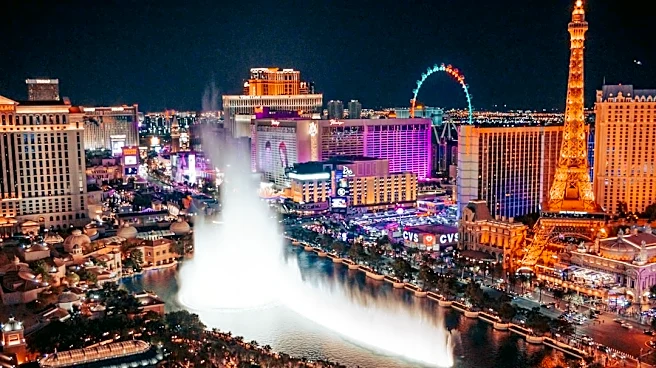
since grown to house over 200 signs in its outdoor 'Boneyard.' These signs, which include pieces from famous establishments like The Sands, The Dunes, and The Stardust, serve as physical artifacts of Las Vegas's rapid transformation. Many of these signs were originally fabricated by the Young Electric Sign Company, which started informally collecting decommissioned pieces in the 1970s, forming the foundation for the museum's collection. The museum also features the historic La Concha Motel lobby, which was dismantled and relocated to the museum site. Through guided tours and a separately ticketed nighttime experience called 'Brilliant,' the museum offers a glimpse into the city's past, showcasing the evolution of its casino culture and architectural landscape.
Why It's Important?
The preservation efforts of The Neon Museum are crucial for understanding the cultural and architectural evolution of Las Vegas, a city known for its constant reinvention. By saving these historical signs, the museum provides a tangible link to a past that would otherwise be lost due to the city's aggressive development and demolition cycles. This initiative offers a unique form of urban archaeology, allowing both long-time residents and newcomers to connect with the city's earlier identity. The signs are not merely decorative; they are historical documents that tell stories of the establishments they once adorned, such as the Moulin Rouge, the first racially integrated casino in Las Vegas. This preservation helps to contextualize the present-day city, demonstrating how its past has shaped its current identity, which is often defined by its newest hotels and stadiums. The museum ensures that the older history of Las Vegas remains accessible and understood, preventing it from being completely overshadowed by modern developments.
What's Next?
The Neon Museum continues to expand its collection as signs become available from demolitions and donations across the Las Vegas valley. The museum's restoration program will likely continue to bring more signs back to working condition, enhancing the 'Brilliant' nighttime experience. Future plans may involve further educational initiatives and community engagement to highlight the significance of these historical artifacts. The museum's ongoing efforts will ensure that the visual history of Las Vegas remains a vital part of its cultural narrative, attracting tourists and locals alike to explore the city's unique heritage. As Las Vegas continues to evolve, the museum's role in safeguarding its past will become increasingly important, serving as a repository of its ever-changing skyline.
Beyond the Headlines
Beyond its role as a historical archive, The Neon Museum highlights broader themes of urban development, cultural memory, and the ephemeral nature of modern architecture. The museum's existence underscores the challenge faced by rapidly developing cities in preserving their heritage amidst constant change. It prompts reflection on what aspects of a city's past are deemed worthy of preservation and how these artifacts contribute to a collective identity. The collection also serves as a testament to the artistry and craftsmanship of neon sign making, a form of commercial art that defined an era. The museum's success in transforming discarded commercial signage into valued cultural artifacts demonstrates a shift in how society views and values elements of its built environment, moving beyond purely functional or aesthetic considerations to recognize their historical and cultural significance.