
What's Happening?
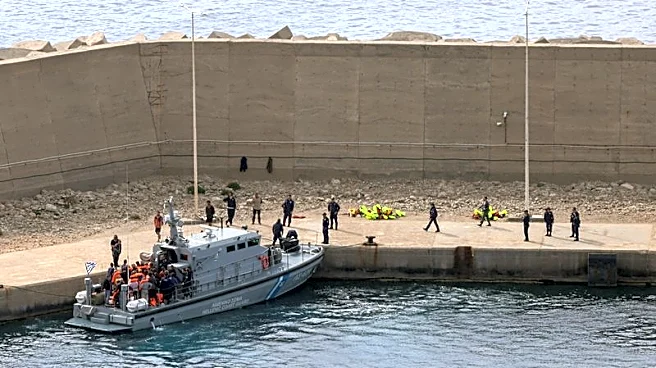
Spain and Brazil are calling for the immediate release of their nationals, Saif Abu Keshek and Thiago Avila, who were detained by Israeli authorities following the interception of a Gaza aid flotilla.
The Global Sumud Flotilla, which organized the mission, stated that Keshek was on an 'observer boat' and not intended to reach Gaza. The flotilla claims Keshek was harshly beaten and subjected to torture after being isolated from other participants. While most activists were sent to Greece, Keshek and Avila were taken to Israel for questioning. The Israeli Foreign Ministry alleges that Keshek is a leading member of the PCPA, a group linked to Hamas, and has been involved in financial activities for the organization. Both detainees are expected to receive consular visits from their respective countries.
Why It's Important?
The detention of Saif Abu Keshek and Thiago Avila has sparked diplomatic tensions between Israel and the governments of Spain and Brazil. The incident highlights ongoing international disputes over the Gaza blockade and the humanitarian efforts to challenge it. The allegations against Keshek and Avila, if proven, could have significant implications for international relations and the perception of humanitarian missions in conflict zones. The situation underscores the complexities of international law and the rights of individuals detained in international waters, potentially affecting future diplomatic and legal frameworks.
What's Next?
Spain and Brazil have issued a joint statement condemning the detention as a 'kidnapping' and are demanding the immediate return of their citizens. The situation may lead to diplomatic negotiations or further international pressure on Israel. The outcome of the questioning by Israeli authorities could influence future actions by the involved countries and international organizations. The incident may also prompt discussions on the legality and ethics of detaining individuals in international waters, potentially leading to changes in international maritime law.