
What's Happening?
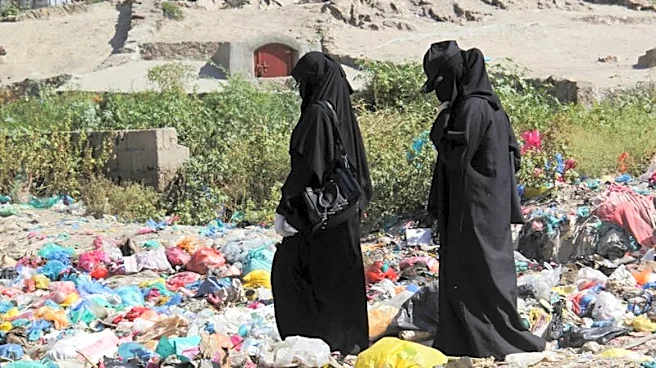
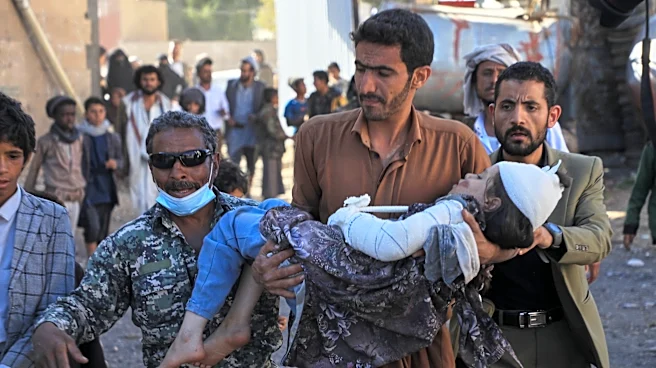
Civilians in the besieged Yemeni city of Taiz are facing severe shortages of food, medicine, and water, according to Islamic Relief. The organization reports that the ongoing siege has largely blocked
supply routes into and out of the city for the past month, leading to a rapid spread of hunger and disease. An estimated 1 to 1.5 million people reside in Taiz, including tens of thousands displaced from other areas. The price of food has increased by over 50%, making it unaffordable for many families already experiencing emergency levels of hunger. Additionally, the cost of trucked water supplies has tripled, and cholera is spreading due to contaminated water and failing sanitation systems. Saaid Omar, Islamic Relief country director for Yemen, emphasized that conditions are deteriorating daily, risking more civilian deaths. Islamic Relief is urging all parties to the conflict to protect civilians and ensure safe, unimpeded humanitarian access in accordance with international law. The organization also calls on international governments to increase funding and assistance for displaced families and local services. Islamic Relief has been active in Yemen for over 28 years, currently providing aid to vulnerable households in Aden, Lahj, and Taiz governorates, and collaborating with other agencies to combat cholera.
Why It's Important?
The humanitarian crisis in Taiz, Yemen, highlights the devastating impact of prolonged conflict on civilian populations and underscores the critical need for international intervention and adherence to humanitarian law. The severe shortages of basic necessities like food, water, and medicine, coupled with the spread of diseases such as cholera, represent a dire public health emergency. The inability to access essential supplies not only threatens immediate survival but also has long-term consequences for the health and stability of the region. The call for increased funding and assistance from international governments is crucial, as it directly impacts the capacity of organizations like Islamic Relief to provide life-saving aid. The situation in Taiz serves as a stark reminder of the global responsibility to protect civilians in conflict zones and ensure humanitarian access, which is a fundamental principle of international law. Failure to address these issues can lead to further destabilization, mass displacement, and a protracted humanitarian catastrophe, affecting regional security and potentially drawing in more international resources for crisis management.
What's Next?
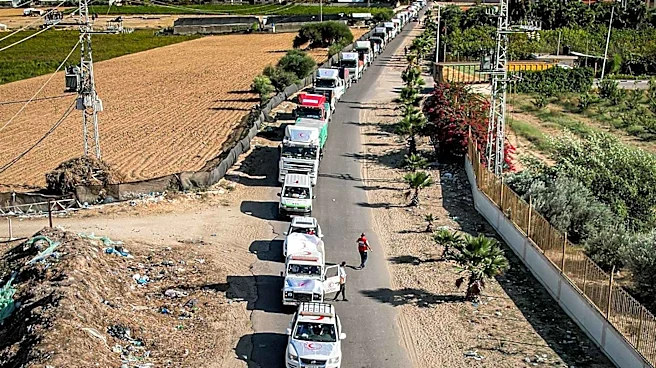
Islamic Relief is actively calling on all parties involved in the conflict to facilitate safe and unimpeded humanitarian access to Taiz. This immediate step is crucial to alleviate the suffering of civilians and prevent further loss of life. Concurrently, the organization is urging international governments to increase their financial support and assistance for displaced families and local services in Yemen. The effectiveness of these calls will depend on the political will of the warring factions and the international community's commitment to humanitarian principles. Continued advocacy and pressure from humanitarian organizations will be essential to ensure that aid reaches those in desperate need. The focus will remain on securing supply routes, distributing essential provisions, and implementing public health measures to control the spread of diseases like cholera. The long-term outlook will involve sustained efforts to rebuild infrastructure and support local communities once the immediate crisis is addressed.
Beyond the Headlines
The crisis in Taiz extends beyond immediate humanitarian concerns, revealing deeper issues of international accountability and the protection of civilian populations in modern warfare. The deliberate blocking of supply routes and the targeting of civilian areas raise questions about potential violations of international humanitarian law. The long-term psychological and social impacts on the besieged population, particularly displaced families who have endured multiple displacements, will be profound and require extensive support beyond the current emergency. The reliance on international aid organizations like Islamic Relief underscores the failure of political solutions to protect vulnerable communities. This situation also highlights the interconnectedness of global health, as the spread of diseases like cholera can have regional implications if not contained. The ongoing crisis in Yemen, exemplified by Taiz, serves as a critical case study for examining the effectiveness of international mechanisms designed to prevent and mitigate humanitarian disasters.