



What's Happening?
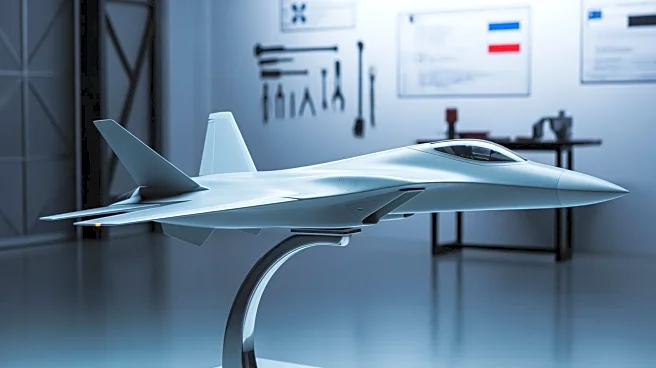
Turkey's Defense Industries Agency (SSB) has released images of the nearly completed second prototype of the Kaan fighter, developed by Turkish Aerospace Industries (TAI). The prototype, known as P1, was showcased alongside a new ground test vehicle and
the engineering prototype P0, which has already completed two flights. The P1 aircraft is externally complete, featuring two General Electric F110 engines, although it remains unpainted with some panels yet to be fitted. Design modifications include repositioned and enlarged air intakes and the addition of advanced targeting systems. The first flight of P1 is anticipated by June 2026, with a possibility of occurring in May. The unveiling follows a setback in securing additional investment from Saudi Arabia, although Turkish President Recep Tayyip Erdogan has indicated potential future collaboration. The Kaan program is a significant step in Turkey's aviation capabilities, with most components sourced locally, except for key systems like the engines and ejection seats.
Why It's Important?
The development of the Kaan fighter represents a strategic move by Turkey to enhance its domestic defense capabilities and reduce reliance on foreign military technology. By advancing the Kaan program, Turkey aims to replace its aging fleet of Lockheed Martin F-16s, thereby strengthening its air force. The program also highlights Turkey's growing technological prowess and institutional coordination in aviation. The potential involvement of Saudi Arabia could provide significant financial backing and further regional collaboration. The Kaan fighter's development is crucial for Turkey's defense industry, potentially boosting local manufacturing and technological innovation. The use of locally sourced components, except for the engines, underscores Turkey's commitment to self-reliance in defense production.
What's Next?
The next steps for the Kaan program include the first flight of the P1 prototype, expected by mid-2026. Turkish Aerospace Industries plans to produce 20-40 aircraft using the F110 engines before transitioning to a domestically developed engine, the TF35000, in the 2030s. The Turkish air force aims to integrate the Kaan fighter into its fleet by the end of the decade. Meanwhile, efforts to secure investment from Saudi Arabia continue, with potential implications for the program's funding and regional partnerships. The success of the Kaan program could influence Turkey's defense strategy and its position in the global arms market.