




What's Happening?
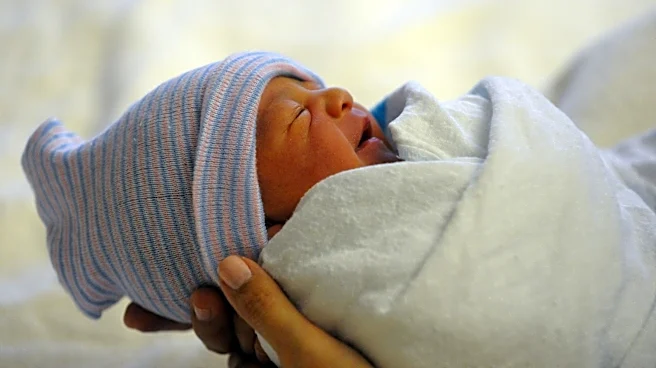
The World Health Organization (WHO) is advocating for increased investment in follow-up care for premature babies after they are discharged from neonatal intensive care units (NICUs). This call to action coincides with World Prematurity Day, observed
on November 15. The WHO highlights that despite advancements in neonatal care improving survival rates, premature infants remain at risk of death and long-term health complications post-discharge. Approximately 15 million babies are born prematurely worldwide each year. The organization emphasizes that the period following discharge is critical, requiring continued monitoring, timely interventions, and family support to prevent adverse outcomes. A study from Children's Wisconsin demonstrated a significant reduction in the dropout rate for NICU graduates from follow-up care, cutting it from 35% to 17% over 24 months through a redesigned program. This program included nurse-led discharge coordination, specialized clinics, standardized developmental assessments, expanded eligibility, and a data tracking system.
Why It's Important?
The WHO's emphasis on post-discharge care for premature babies has significant implications for U.S. healthcare systems and families. The success of the Children's Wisconsin program demonstrates that structured follow-up care can drastically improve outcomes for vulnerable infants, potentially reducing long-term health costs and improving quality of life. In the U.S., provisional data from 2025 indicates that 10.41% of births were preterm, underscoring the widespread need for effective follow-up strategies. Without adequate post-discharge support, families face challenges such as missed critical developmental windows for conditions like Retinopathy of Prematurity (ROP) and cerebral palsy, which require timely detection and intervention. Investing in these programs can lead to earlier diagnosis and treatment, preventing severe disabilities and reducing the burden on families and the healthcare system. The call for investment also highlights a potential gap in current U.S. healthcare funding and policy regarding comprehensive, long-term care for premature infants.
What's Next?
The WHO's campaign urges governments and development partners to ensure health facilities have essential medicines and equipment, and to support health workers in providing quality care. For U.S. parents, the practical takeaway is to proactively inquire about eye and developmental visits, schedule follow-up appointments before discharge, and know who to contact for warning signs. Policymakers in the U.S. are encouraged to review existing evidence, such as the Children's Wisconsin study, to implement coordinated and tracking-based follow-up programs. While the WHO's 2022 guideline already recommends home visits by trained health workers post-discharge, the 2026 campaign serves as a renewed push to fund and deliver this existing guidance. The focus will likely be on integrating these recommendations into national and state-level healthcare policies and securing the necessary funding to support comprehensive post-discharge services for premature infants.
Beyond the Headlines
Beyond the immediate health benefits, robust follow-up care for premature babies can address broader societal inequities. Studies indicate that loss to follow-up can be associated with factors such as older gestational age, African American race, and maternal smoking, suggesting that socioeconomic and demographic disparities play a role in access to and retention in care. Implementing comprehensive, well-funded follow-up programs could help mitigate these disparities, ensuring that all premature infants, regardless of background, receive the necessary support for optimal development. The long-term implications extend to educational outcomes, workforce participation, and overall public health, as healthier children are more likely to become productive adults. This initiative also underscores the ethical imperative of providing continuous care for the most vulnerable, moving beyond acute hospital interventions to a holistic, community-based approach to child health.