
What's Happening?
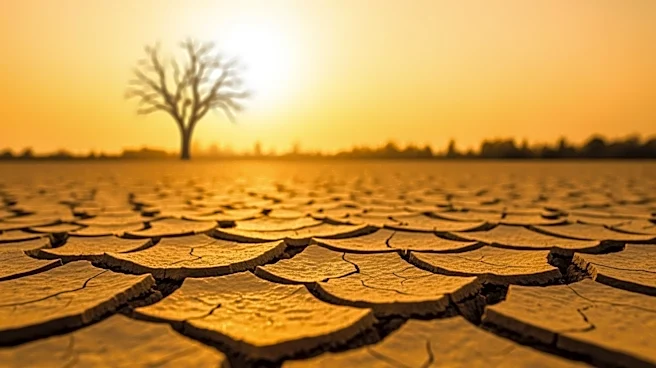
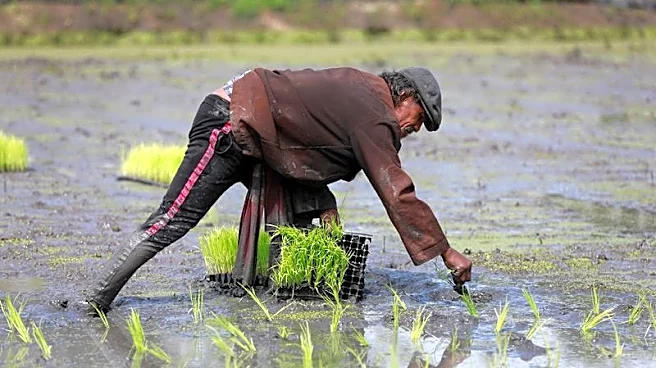
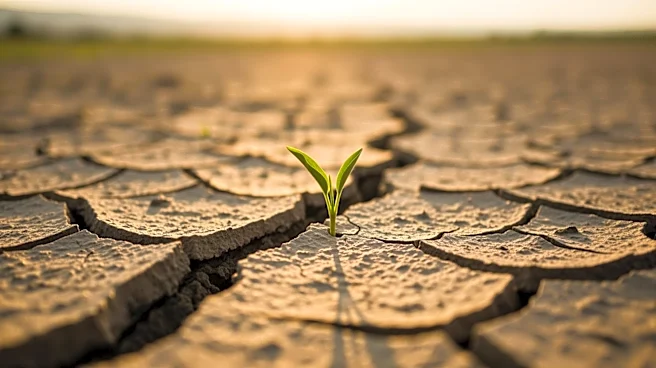
The Food and Agriculture Organization (FAO) of the United Nations has highlighted the severe impact of extreme heat on agriculture, affecting crop yields, livestock, and ecosystems worldwide. Farmers,
like Sary Kea in Cambodia, are experiencing significant losses due to prolonged heatwaves, which disrupt traditional farming practices. The FAO, in collaboration with the World Meteorological Organization, has identified the compound effects of extreme heat, including lower yields, stressed fisheries, and increased fire risks. To combat these challenges, the FAO proposes a four-pronged approach: early warning systems, heat-tolerant plant varieties, cool supply chains, and protection for farm workers. These strategies aim to equip farmers with the tools and knowledge needed to adapt to changing climate conditions.
Why It's Important?
The increasing frequency and intensity of extreme heat events pose a significant threat to global food security and agricultural sustainability. As climate change continues to alter weather patterns, traditional farming methods may become obsolete, necessitating innovative solutions to ensure food production and farmer livelihoods. The FAO's proposed strategies emphasize the importance of early warning systems and adaptive practices, which could mitigate the adverse effects of extreme heat. By investing in heat-tolerant crops and improving supply chain resilience, the agricultural sector can better withstand climate-related disruptions. This approach not only supports farmers but also contributes to global efforts to address climate change and its impacts on food systems.
What's Next?
As extreme heat events become more common, the implementation of the FAO's strategies will be crucial for the future of agriculture. Governments and international organizations may need to increase funding and support for research and development of heat-resistant crops and technologies. Collaboration between countries and regions will be essential to share knowledge and resources, ensuring that farmers worldwide can adapt to changing conditions. Additionally, policymakers may need to consider new regulations and incentives to encourage sustainable agricultural practices. The success of these initiatives will depend on the commitment of stakeholders across the agricultural sector to prioritize climate resilience and food security.