
What's Happening?
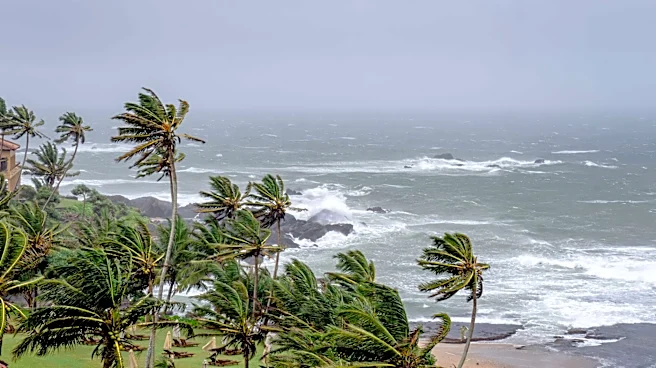
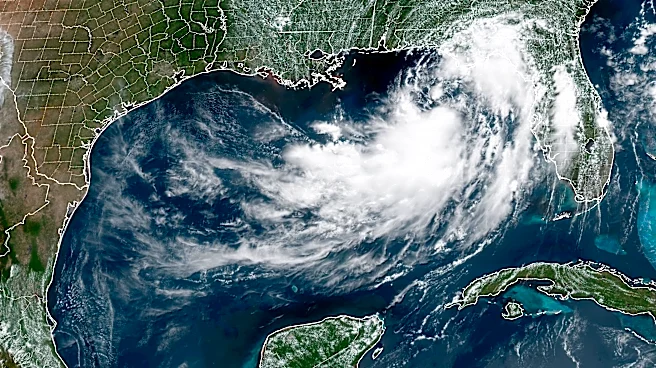
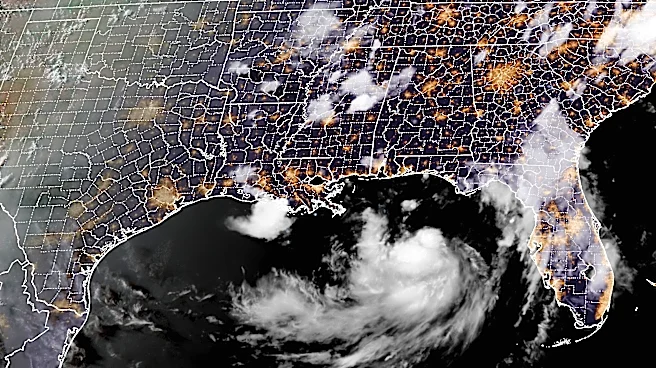
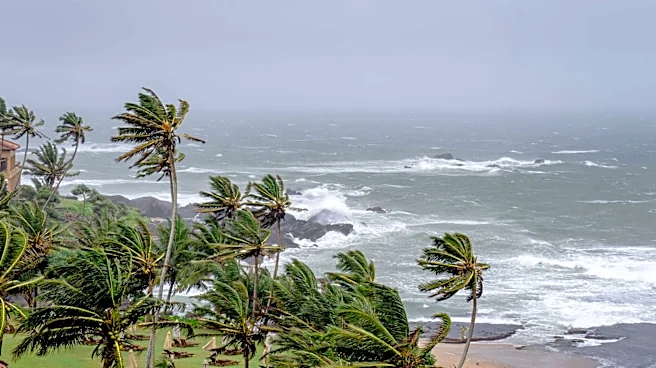
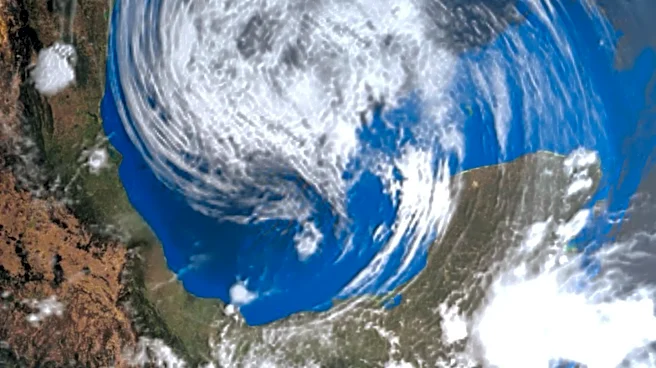
Texas and Louisiana are experiencing extreme heat conditions exacerbated by Tropical Storm Bertha, which made landfall recently. The National Weather Service has issued an extreme heat warning, with temperatures
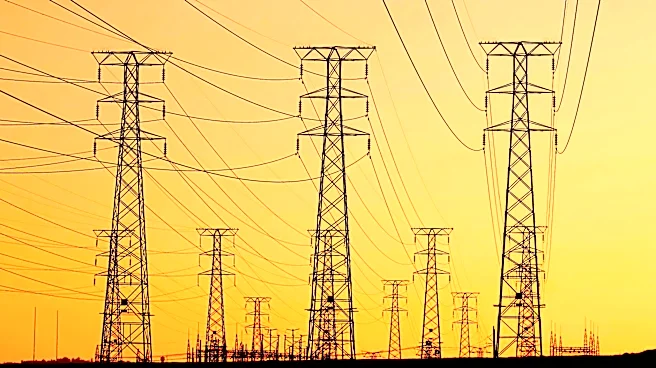
in eastern Texas and northwest Louisiana potentially reaching 120°F. The heat is driving electricity demand in Texas to unprecedented levels, with projections nearing 90 gigawatts. The Electric Reliability Council of Texas (ERCOT) is managing the grid, with solar energy providing a buffer against system stress. Bertha, although weakened, is increasing humidity and intensifying the heat. The storm is expected to bring rain and cloud cover, offering some relief by the end of the week.
Why It's Important?
The heat wave and storm combination is testing the resilience of the energy infrastructure in Texas and Louisiana. The record electricity demand highlights the challenges of maintaining grid stability under extreme weather conditions. The situation underscores the importance of renewable energy sources like solar power in providing relief during peak demand periods. Additionally, the heat poses significant health risks to residents, emphasizing the need for public safety measures and awareness. The economic impact is also notable, as businesses and utilities must adapt to the increased energy consumption and potential disruptions caused by the storm.
What's Next?
As the storm progresses, authorities will continue to monitor the situation closely. ERCOT and other energy providers will need to ensure grid stability and manage resources effectively. Residents are advised to stay informed about weather updates and practice heat safety. The potential for further storms and heat waves in the coming weeks suggests ongoing challenges for the region. Long-term, this event may prompt discussions on infrastructure improvements and increased investment in renewable energy to better handle such extreme conditions.