










What's Happening?
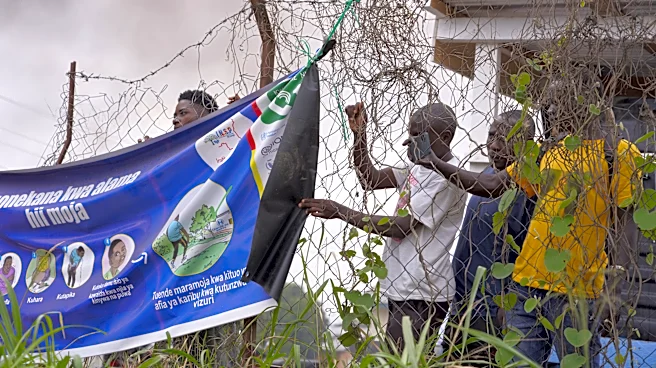
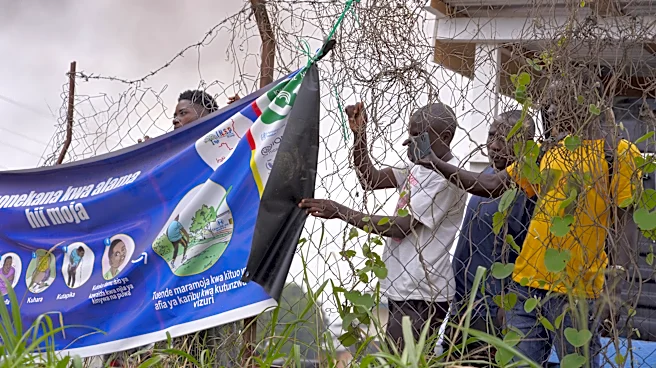
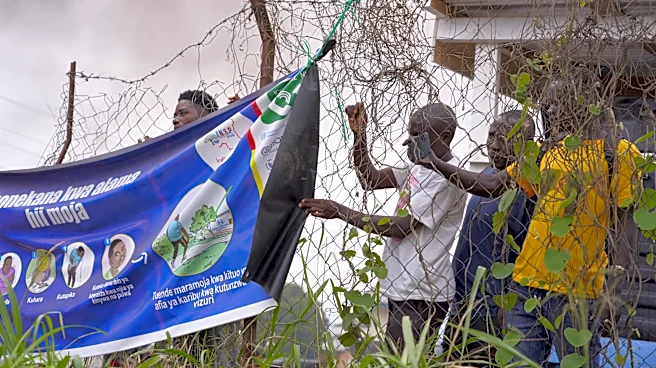
A US citizen working as a humanitarian in the Democratic Republic of the Congo (DRC) has contracted Ebola and has been transferred to Germany for treatment. The individual, a full-time employee of Samaritan's Purse, was working in Bunia, the capital of the Ituri
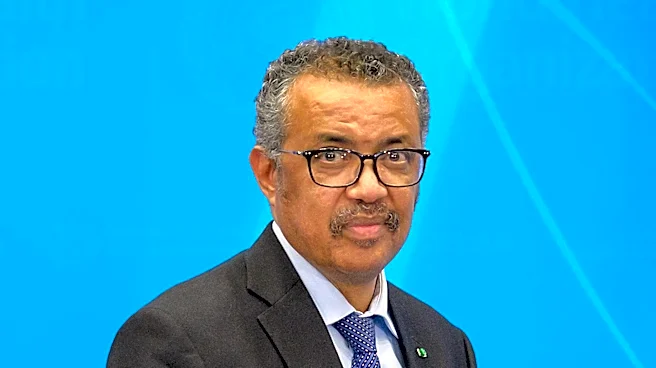
province, which is currently experiencing an Ebola outbreak. The World Health Organization (WHO) has been providing clinical care and monitoring for the patient, who was safely moved to Germany for continued care. The DRC's outbreak, caused by the Bundibugyo strain of the virus, has resulted in over 1,900 confirmed cases and more than 700 deaths. The German health ministry has assured that the patient poses no risk to the general population.
Why It's Important?
The transfer of the Ebola-infected US citizen to Germany highlights the international collaboration in managing infectious disease outbreaks. The decision to treat the patient in Germany, rather than the US, underscores the logistical and strategic considerations in global health responses. The outbreak in the DRC is significant due to its scale and the challenges posed by the Bundibugyo strain, which lacks a vaccine or cure. This situation emphasizes the need for robust international health systems and the importance of rapid response to prevent further spread. The US's approach, including travel restrictions, reflects a cautious stance in managing potential domestic exposure.
What's Next?
The ongoing Ebola outbreak in the DRC requires continued international support and coordination to control its spread. The WHO and other health organizations are likely to intensify efforts to provide resources and expertise to the affected regions. The US's travel restrictions may remain in place as a precautionary measure, potentially affecting American citizens in the DRC. The situation may prompt further discussions on global health policies and the role of international partnerships in managing such crises.