






What's Happening?
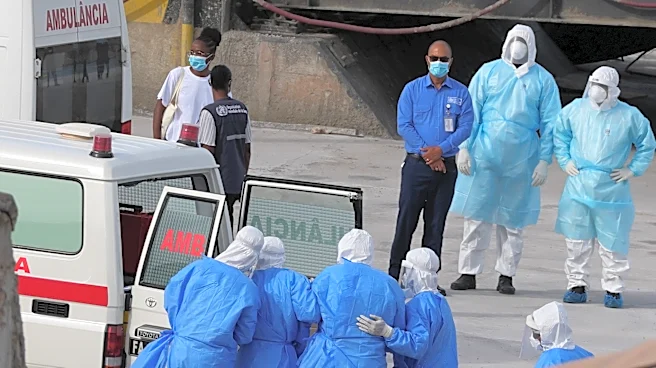
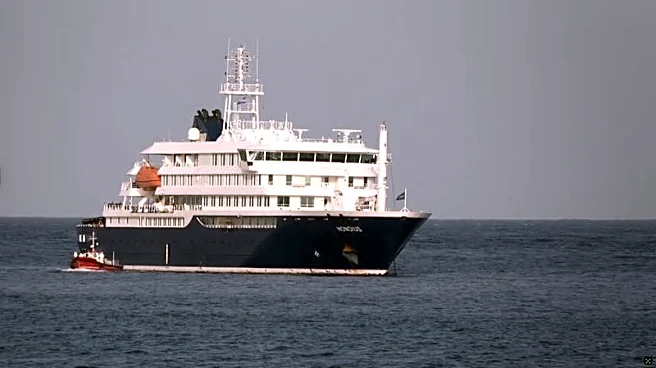
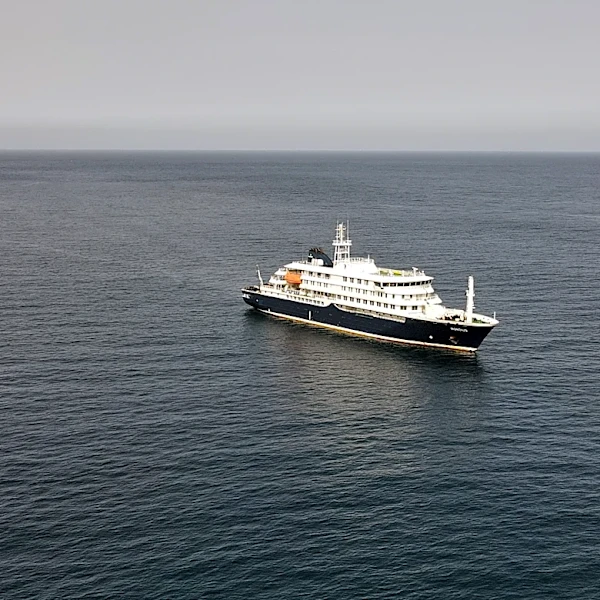
The MV Hondius, a cruise ship affected by the Andes hantavirus, is set to dock in the Canary Islands, sparking significant concern among local residents and officials. The ship, which has reported a 40% mortality rate for the virus, has been allowed to dock by the Madrid
government despite opposition from the Canary Islands' president, Fernando Clavijo. The decision has revived memories of the COVID-19 pandemic, with fears that the virus could spread and overwhelm local healthcare facilities. The Spanish government plans to quarantine 13 Spanish passengers and one crew member at the Gómez Ulla Military hospital in Madrid, while asymptomatic foreign nationals will be repatriated. The World Health Organization has stated that the public risk remains low, but local residents remain anxious about the potential health implications.
Why It's Important?
The decision to allow the MV Hondius to dock in the Canary Islands has significant implications for public health and local governance. The move has sparked a political dispute between the Madrid government and the Canary Islands' leadership, highlighting tensions over crisis management and public safety. The situation underscores the challenges of balancing humanitarian obligations with public health concerns, especially in regions with limited healthcare infrastructure. The potential spread of the hantavirus could strain local hospitals, which are still recovering from the impacts of the COVID-19 pandemic. This incident also raises questions about the preparedness of local and national authorities to handle similar health crises in the future.
What's Next?
The immediate focus will be on monitoring and managing the health of those on board the MV Hondius. The Spanish government will need to ensure effective quarantine measures for those affected and coordinate with international partners for the repatriation of foreign nationals. Local authorities in the Canary Islands may seek additional support from the national government to bolster healthcare resources and infrastructure. The political fallout from this decision could lead to further debates on public health policy and crisis management strategies in Spain. Additionally, the situation may prompt a review of protocols for handling similar incidents involving infectious diseases on international vessels.
Beyond the Headlines
This incident highlights broader issues related to global health security and the movement of people across borders. The hantavirus outbreak on the MV Hondius serves as a reminder of the interconnectedness of global health systems and the need for robust international cooperation in managing infectious diseases. It also raises ethical questions about the responsibilities of governments to protect their citizens while fulfilling international obligations. The situation may lead to increased scrutiny of cruise ship operations and the implementation of stricter health and safety regulations to prevent similar outbreaks in the future.