





What's Happening?
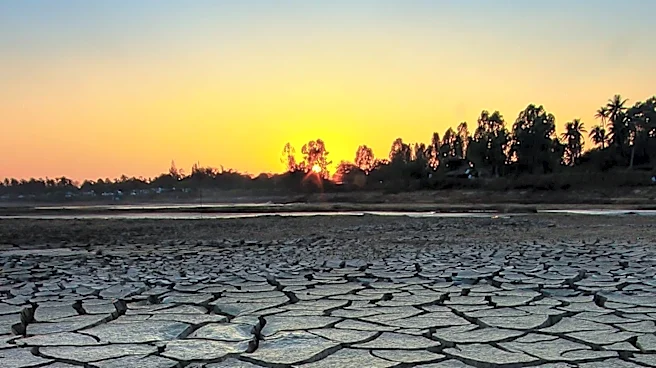
New research, based on a nationwide Brazilian cohort study of nearly 30 million live births between 2001 and 2020, indicates that drought exposure during pregnancy may elevate the risk of preterm birth. Approximately 8% of the births analyzed were preterm.
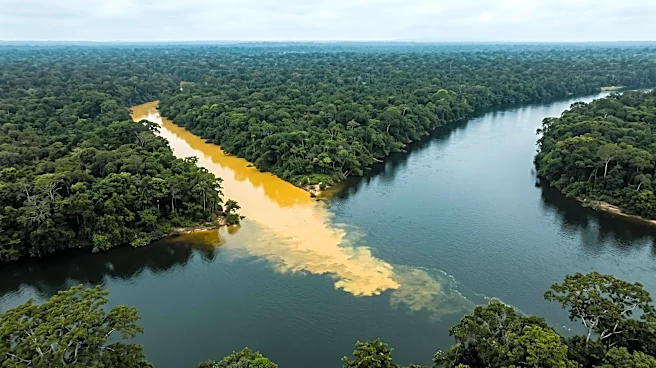
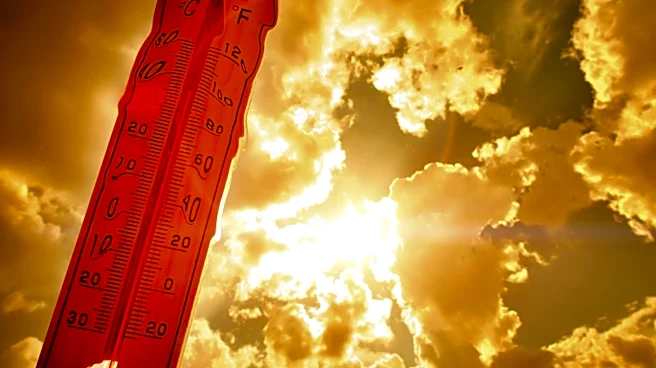
The study utilized the Standardized Precipitation Evapotranspiration Index (SPEI) to measure drought exposure, considering both precipitation and evapotranspiration over three, six, and nine-month periods before birth. Researchers found that drought was associated with about a 2% higher odds of preterm birth across all exposure periods, translating to roughly 1.4 to 1.7 additional preterm births per 1,000. A dose-response relationship was observed for six-month drought exposure, with moderate drought linked to a 1% higher odds, severe drought to 3%, and extreme drought to 5%. These associations were particularly pronounced in populations with lower Human Development Index scores and specific biomes like the Amazon and Cerrado. The study also noted that drought was associated with slightly higher odds of small for gestational age (SGA) births, especially in the Amazon and Caatinga biomes, but found no consistent link to term low birth weight. Furthermore, the interaction between drought and extreme heat significantly increased the odds of preterm birth.
Why It's Important?
This research highlights a critical public health concern, demonstrating how climate-related events, specifically drought and extreme heat, can directly impact maternal and infant health. The findings underscore the vulnerability of certain populations, particularly those in socioeconomically disadvantaged regions, to climate-driven health risks. The potential pathways linking drought to adverse pregnancy outcomes are multifaceted, including food insecurity leading to maternal undernutrition, reduced water availability causing dehydration, increased infectious diseases, and heat stress affecting maternal health, placental function, and fetal development. The observed interaction between drought and extreme heat suggests that as global temperatures rise, the combined effect could lead to a greater incidence of preterm births, placing additional strain on healthcare systems and potentially increasing long-term health challenges for affected children. This study emphasizes the urgent need for integrating maternal and child health considerations into climate adaptation strategies, especially in communities that are already socially and environmentally vulnerable.
What's Next?
The observational nature of this study means it cannot establish direct causality, and limitations such as municipality-level drought measurement rather than individual exposure exist. However, the findings strongly suggest the need for further research to confirm these associations and explore the specific biological and social mechanisms through which drought impacts pregnancy outcomes. Policy-makers and public health officials should consider these findings when developing climate change mitigation and adaptation strategies. This includes implementing measures to ensure food and water security in drought-prone areas, strengthening healthcare infrastructure to manage increased preterm births, and developing early warning systems for climate-related health risks. There is also a need for targeted interventions in vulnerable communities to reduce their susceptibility to the health impacts of climate change. Future efforts should focus on breeding crop varieties more resilient to drought and heat, improving irrigation, and implementing integrated pest management to safeguard food supplies and reduce maternal undernutrition.
Beyond the Headlines
The study's implications extend beyond immediate health outcomes, touching upon broader issues of climate justice and equity. The disproportionate impact on populations with lower Human Development Index scores reveals how existing socioeconomic inequalities are exacerbated by climate change. This suggests that climate adaptation strategies must be designed with an equity lens, prioritizing the most vulnerable communities to prevent widening health disparities. The interconnectedness of environmental, social, and health factors highlighted by this research calls for a holistic approach to climate action, moving beyond purely environmental solutions to encompass public health, social welfare, and economic development. Recognizing the 'triangle of vulnerability' where climate change, displacement, and gender inequality intersect, as seen in other contexts, underscores the need for comprehensive, community-led solutions that empower affected populations and integrate their lived experiences into policy-making. This research serves as a stark reminder that climate change is not just an environmental issue but a fundamental threat to human health and well-being, demanding integrated and equitable responses.