

What's Happening?
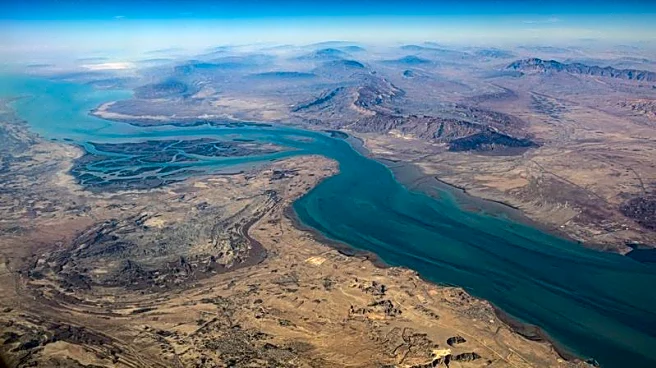
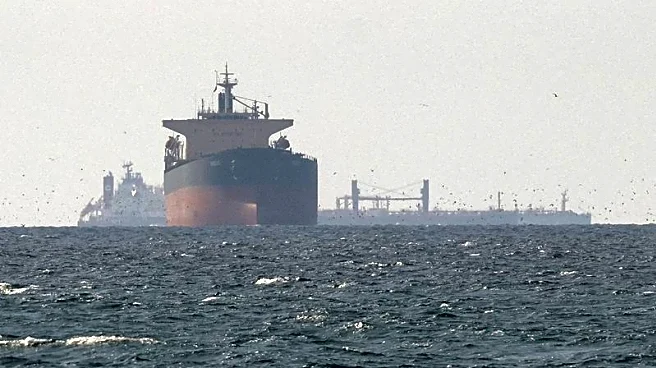
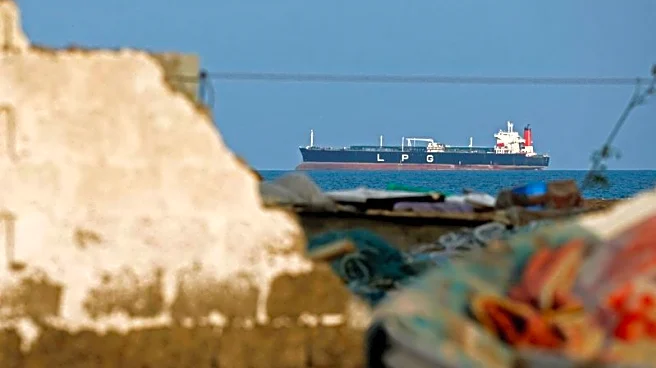
European countries are seeking more information about President Trump's plans regarding the conflict in Iran and the potential deployment of warships to the Persian Gulf. The U.S. has requested assistance from allies, including France, China, Japan, South
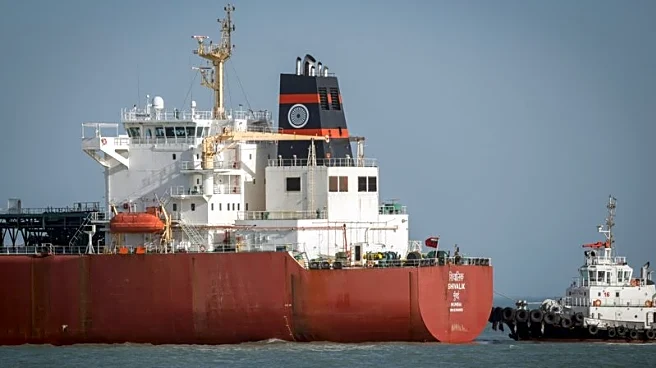
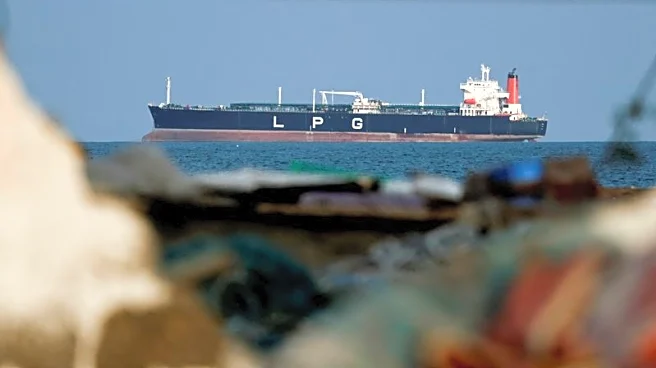
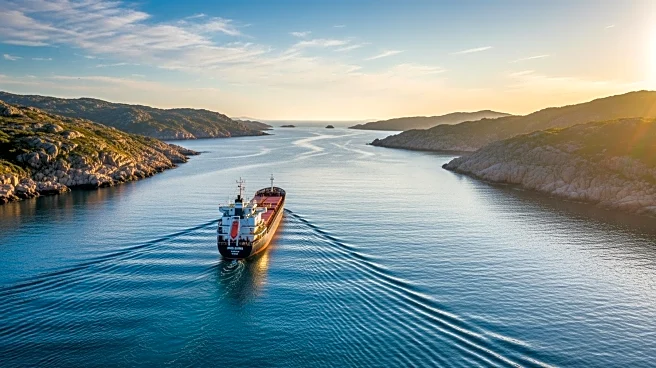
Korea, and Britain, to secure the Strait of Hormuz for global shipping. However, European leaders are cautious, demanding clarity on the strategic goals and the duration of the military engagement. German Foreign Minister Johann Wadephul emphasized the need for the U.S. and Israel to define their military objectives. The EU is considering expanding its naval mission to protect shipping routes, while individual countries like France and Britain are exploring their own measures.
Why It's Important?
The situation is significant as it involves international security and economic stability, particularly concerning global shipping routes through the Strait of Hormuz. The conflict has already led to increased energy prices and disrupted global supply chains. European countries are wary of being drawn into a broader conflict without clear objectives and are concerned about the potential for a refugee crisis in Iran. The EU's response will impact its diplomatic relations with the U.S. and its approach to regional security. The outcome could also influence NATO's role and the EU's strategic autonomy in defense matters.
What's Next?
The EU is expected to continue discussions on how to respond to the U.S. request, with a focus on maintaining open shipping lanes in the Persian Gulf. The upcoming National Maritime Conference in Emden may address these issues, potentially leading to a coordinated European response. Meanwhile, individual countries may pursue bilateral agreements with the U.S. or form coalitions to address the security challenges. The situation remains fluid, with potential implications for NATO and EU-U.S. relations.