
What's Happening?
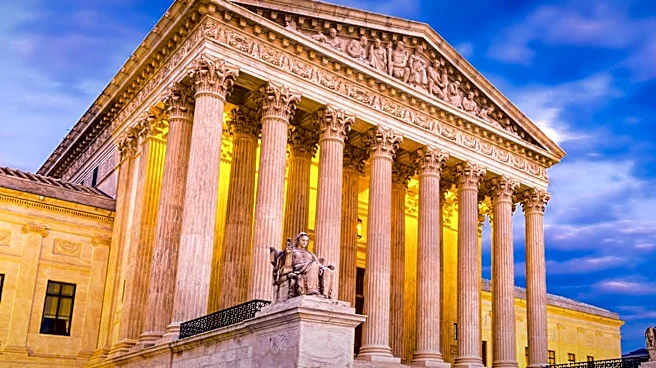
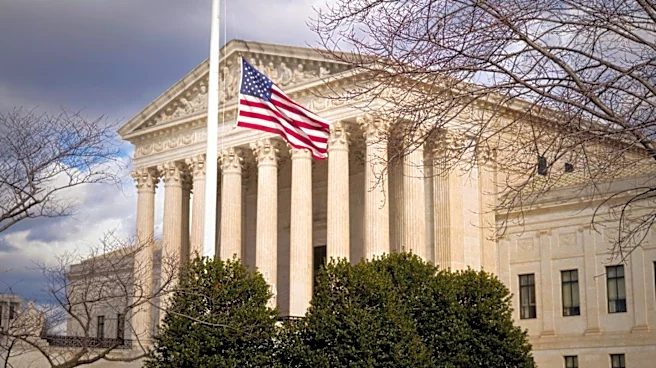
The Supreme Court has lifted a stay on an older Alabama electoral map, a move that is expected to dilute the voting power of Black citizens and potentially eliminate at least one Democratic district. This
decision was made on the shadow docket, with the majority offering no explanation for their reasoning. Justice Sonia Sotomayor, joined by Justices Elena Kagan and Ketanji Brown Jackson, issued a strong dissent. Sotomayor highlighted the majority's apparent contradiction, noting that Justice Samuel Alito had previously insisted that the Court's decision in *Allen v. Milligan*, which concerned the Alabama map, remained valid. She argued that the constitutional finding of intentional discrimination in the Alabama map is independent of other legal issues and that vacating the stay is inappropriate, as it will cause confusion as Alabamians prepare to vote in upcoming elections. The original *Allen v. Milligan* case, decided just three years prior, found the Alabama map to be unconstitutional due to racial discrimination.
Why It's Important?
This Supreme Court decision carries significant implications for voting rights and electoral fairness in the United States, particularly in Alabama. By unblocking a map previously deemed racially discriminatory, the Court's action could lead to a reduction in Black representation in Congress, undermining the principle of equal political participation. The lack of explanation from the majority on the shadow docket raises concerns about transparency and accountability in judicial decision-making, especially on issues with profound societal impact. The dissent from Justices Sotomayor, Kagan, and Jackson underscores the potential for confusion and the perception of a shifting legal landscape regarding voting rights. This move could embolden states to pursue redistricting efforts that disadvantage minority voters, potentially leading to further legal challenges and increased political polarization. The decision also highlights the ongoing debate about the interpretation and enforcement of the Voting Rights Act and the 14th Amendment.
What's Next?
Following the Supreme Court's decision to lift the stay, the case will theoretically return to the district court. While the district court could still find the map unconstitutional, there is a concern that Alabama authorities may attempt to delay proceedings, potentially with further assistance from the Supreme Court, to ensure the discriminatory map is used in upcoming elections. Alabama lawmakers have already prepared a plan to hold new primaries if the Supreme Court allowed the use of the old map. This suggests a proactive effort to implement the unblocked map, potentially before any further legal challenges can be fully resolved. The immediate consequence will be felt by voters in Alabama, particularly Black voters, who may see their electoral influence diminished. The decision could also set a precedent for future redistricting cases across the country, potentially leading to a wave of similar challenges and further erosion of voting protections.
Beyond the Headlines
The Supreme Court's decision to unblock Alabama's racially discriminatory map delves into deeper issues concerning the integrity of the electoral process and the protection of minority rights. The use of the shadow docket, where decisions are made without full oral arguments or detailed explanations, raises questions about judicial transparency and the potential for politically motivated rulings. This move could be seen as a significant setback for civil rights advocates and a challenge to the progress made in ensuring fair representation. It also highlights the ongoing tension between states' rights in drawing electoral maps and the federal government's role in preventing racial discrimination in voting. The long-term implications could include a more fragmented and less representative political landscape, where the voices of minority communities are systematically suppressed. This decision may also fuel public debate about the composition and ideological leanings of the Supreme Court and its impact on fundamental democratic principles.