

What's Happening?
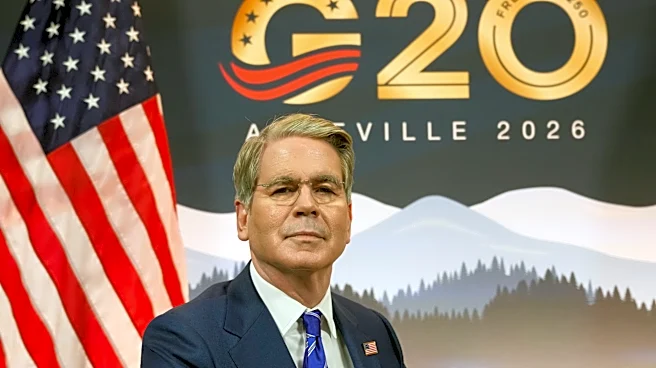
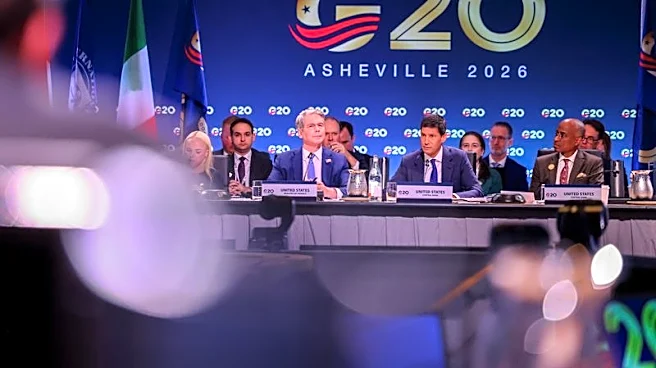
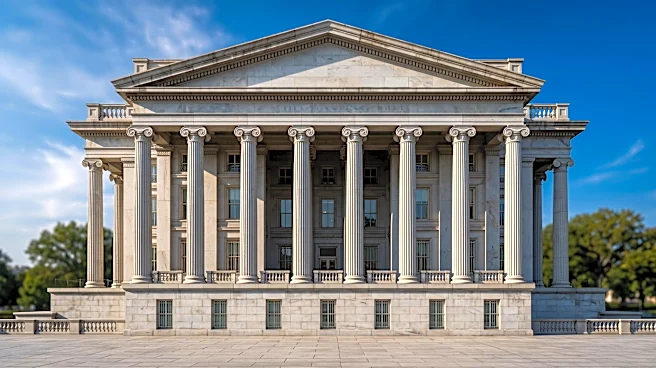
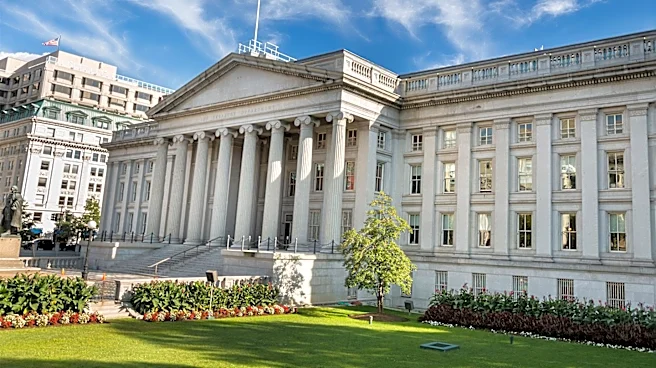
The U.S. Treasury Department has denied credentials to several journalists from major news organizations, including The New York Times, The Wall Street Journal, and Bloomberg News, preventing them from covering a Group of 20 (G20) finance ministers' meeting
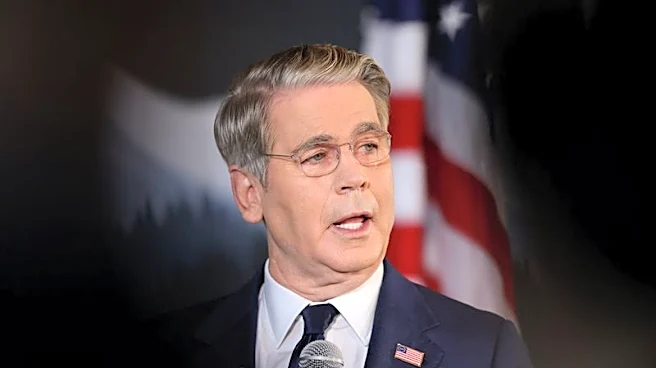
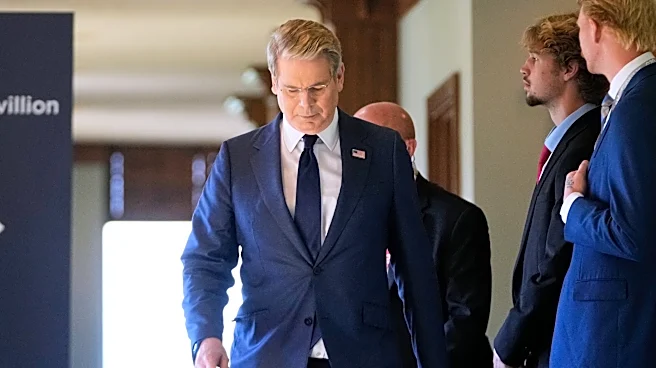
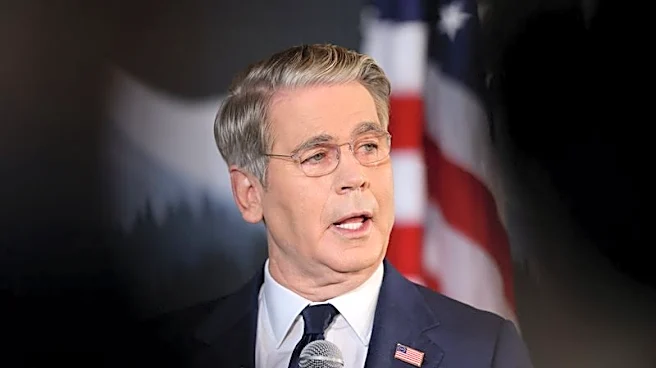
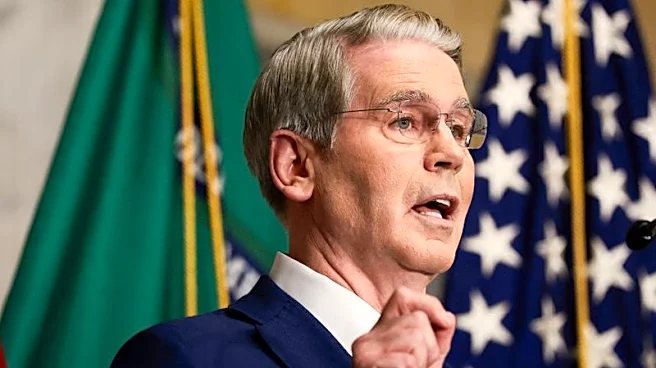
in Asheville, North Carolina. This action is seen as a continuation of the Trump administration's trend of restricting media access. Treasury Secretary Scott Bessent stated that the decision 'has nothing to do with point of view.' One reporter from The New York Times, Alan Rappeport, who has covered such meetings since 2017, was denied access, while another Times reporter was permitted to attend. The Treasury Department has not provided an official explanation for these denials. The G20 meeting, hosted by Secretary Bessent, involves finance ministers, central bank governors, and senior officials from the world's leading economies.
Why It's Important?
This decision by the U.S. Treasury Department raises significant concerns about press freedom and transparency in government operations. Denying access to journalists from prominent news outlets at an international finance meeting, where critical discussions on the global economy, sanctions, and inflation are taking place, limits the public's ability to be fully informed. The New York Times characterized the denial as 'not just another disturbing effort by the administration to undermine independent journalism, but a blatant attempt to evade public scrutiny.' Bloomberg News echoed this sentiment, stating that denying access 'undermines media freedom and public accountability.' This restriction on media access could set a precedent for future government interactions with the press, potentially hindering the ability of journalists to report on crucial policy decisions and their implications for the American public and the global economy.
What's Next?
The immediate consequence is that the public will receive less comprehensive reporting on the G20 finance meeting from the excluded news organizations. The incident is likely to intensify the ongoing tensions between the Trump administration and the U.S. media, potentially leading to further scrutiny and criticism from press freedom advocates and other media organizations. It remains to be seen if the Treasury Department will offer a more detailed explanation for its decision or if similar restrictions will be imposed on journalists for future high-profile government events. This situation could prompt further legal challenges or organized protests from media outlets seeking to uphold press access and transparency in government affairs. The broader implications for media-government relations under the current administration will continue to be a subject of debate and concern.
Beyond the Headlines
The exclusion of journalists from a significant international gathering like the G20 finance meeting touches upon fundamental principles of democratic governance and the role of a free press. Beyond the immediate reporting, this action could contribute to a broader erosion of trust in government transparency and accountability. It raises questions about the criteria used to grant or deny media access and whether such decisions are being made to control narratives or avoid critical reporting. The incident also highlights the challenges faced by independent journalism in an environment where government administrations may seek to limit scrutiny. The long-term impact could be a chilling effect on investigative reporting and a diminished capacity for the public to hold powerful institutions accountable, potentially affecting the informed participation of citizens in democratic processes.