



What's Happening?
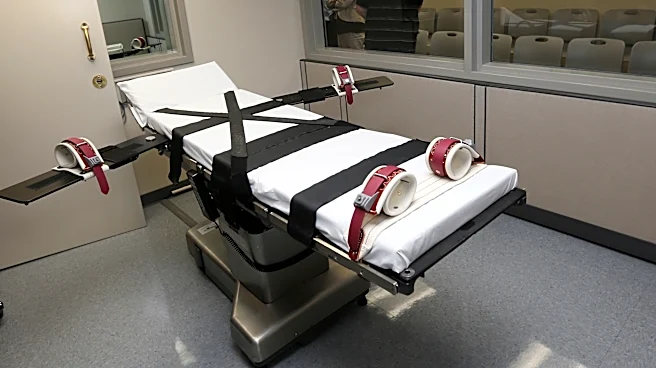
On August 13, 2026, the United States witnessed the execution of three men on the same day for the first time in over 15 years. The executions took place in Oklahoma, Alabama, and Tennessee. Carlos Cuesta-Rodriguez was executed in Oklahoma for the 2003
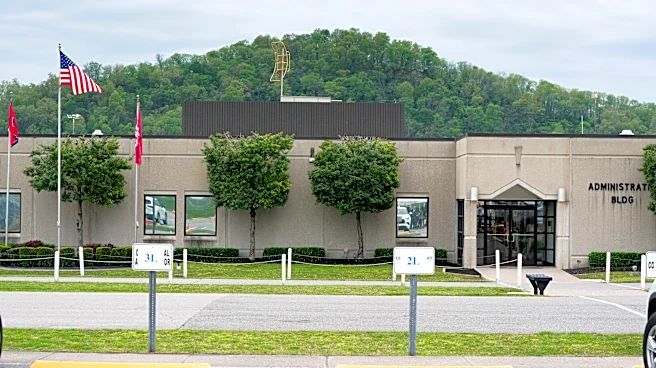
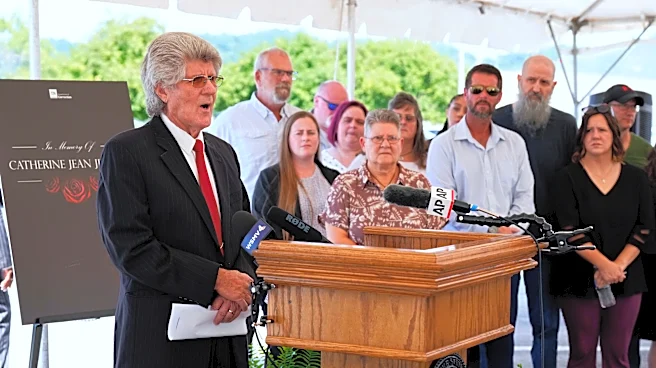
murder of his common-law wife, Olimpia Fisher. Despite appeals for mercy citing mental illness and remorse, his execution proceeded. In Tennessee, Darrell Hines was executed for the 1985 murder of Catherine Jean Jackson Jenkins, amid legal challenges regarding the state's execution methods. Jeremy Williams was executed in Alabama for the 2021 rape and murder of a five-year-old girl, Kamarie Holland. Williams had pleaded guilty and declined to appeal, expediting his execution process.
Why It's Important?
The simultaneous execution of three individuals highlights a renewed vigor in the application of the death penalty in the United States. This event underscores the ongoing debate over capital punishment, reflecting a potential shift in public policy and state-level judicial practices. The increase in executions, as seen with 47 carried out last year, suggests a growing acceptance or push for capital punishment in certain states. This development could impact legal frameworks, influence public opinion, and affect the lives of those on death row, as well as their families and victims' families. The ethical and legal implications of such actions continue to be a point of contention in U.S. society.
What's Next?
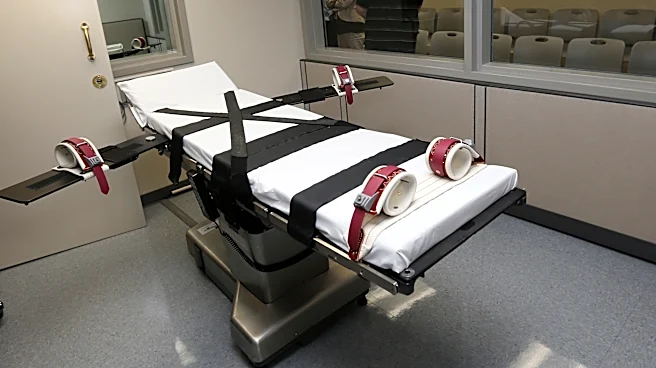
The executions may prompt further legal and ethical debates regarding the death penalty in the U.S. States with active death penalty statutes might face increased scrutiny over their execution methods, especially in light of recent challenges to procedures like lethal injection. Advocacy groups and legal entities may intensify efforts to challenge or reform capital punishment laws. Additionally, the public's response could influence future legislative actions or ballot measures related to the death penalty.