









What's Happening?
South Portland voters are facing a significant decision on Election Day regarding an $88.6 million bond issue, which represents the largest in Maine. This bond is proposed to fund critical public safety infrastructure, specifically the construction of
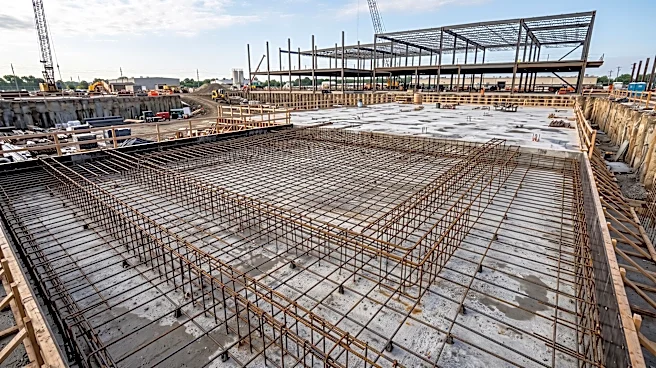
a new central fire station on Broadway and Anthoine Street, and a new police station in the Cash Corner neighborhood. To repay this substantial loan, the city plans to increase residents' property taxes. Initially, residents would see an estimated annual increase of $238, or $19.83 per month, during the fiscal years 2028 and 2029. As the project progresses into its second phase, this projected increase could rise to $466 annually, or $38.83 per month, by Fiscal Year 2030. This measure aims to modernize and expand the city's public safety facilities to meet current and future needs.
Why It's Important?
This bond issue is important because it directly addresses the infrastructure needs of South Portland's public safety departments, which are essential for community well-being and emergency response. The proposed investment in new fire and police stations could enhance the efficiency and effectiveness of these services, potentially leading to improved response times and better equipped personnel. However, the funding mechanism, which relies on increased property taxes, will have a direct financial impact on all property owners in South Portland. This could be a significant concern for residents, particularly those on fixed incomes or facing economic pressures, as it adds to their cost of living. The outcome of this vote will reflect the community's priorities regarding public safety investment versus the burden of increased taxation, setting a precedent for how large-scale municipal projects are funded in the region.
What's Next?
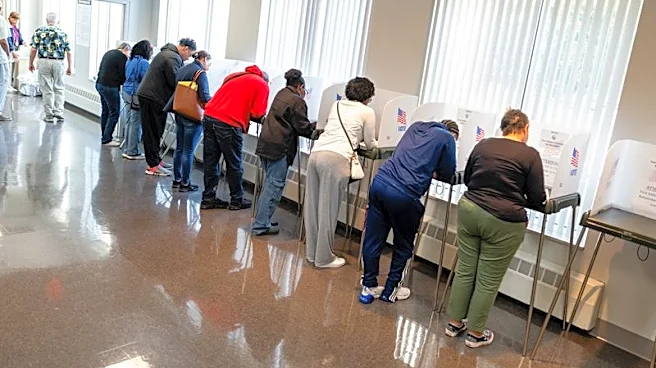
The immediate next step is the Election Day vote, where South Portland residents will cast their ballots on this bond issue. If approved, the city will proceed with the planning and construction phases for the new fire and police stations, with the associated property tax increases phased in starting in fiscal years 2028 and 2029, and further adjustments in Fiscal Year 2030. If the bond issue is rejected, the city will need to re-evaluate its strategy for addressing the public safety infrastructure needs. This could involve seeking alternative funding sources, scaling down the proposed projects, or re-presenting a revised bond issue to voters in the future. The decision will significantly influence the city's long-term financial planning and its ability to provide modern public safety services.
Beyond the Headlines
Beyond the immediate financial and infrastructural implications, this bond issue highlights a broader challenge faced by many municipalities: balancing essential public service upgrades with the financial capacity of their residents. The debate around this bond issue could spark wider discussions on municipal budgeting, long-term urban planning, and the equitable distribution of tax burdens. It also underscores the importance of community engagement in local governance, as residents directly decide on projects that will shape their city for decades. The outcome may also serve as a case study for other Maine communities contemplating similar large-scale public works projects and their funding mechanisms, influencing future municipal bond proposals across the state.