







What's Happening?
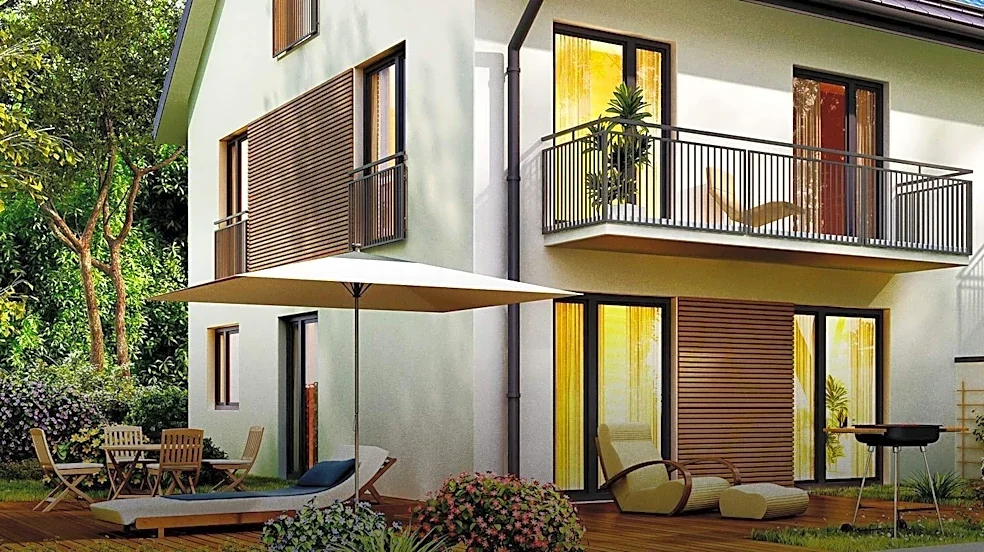
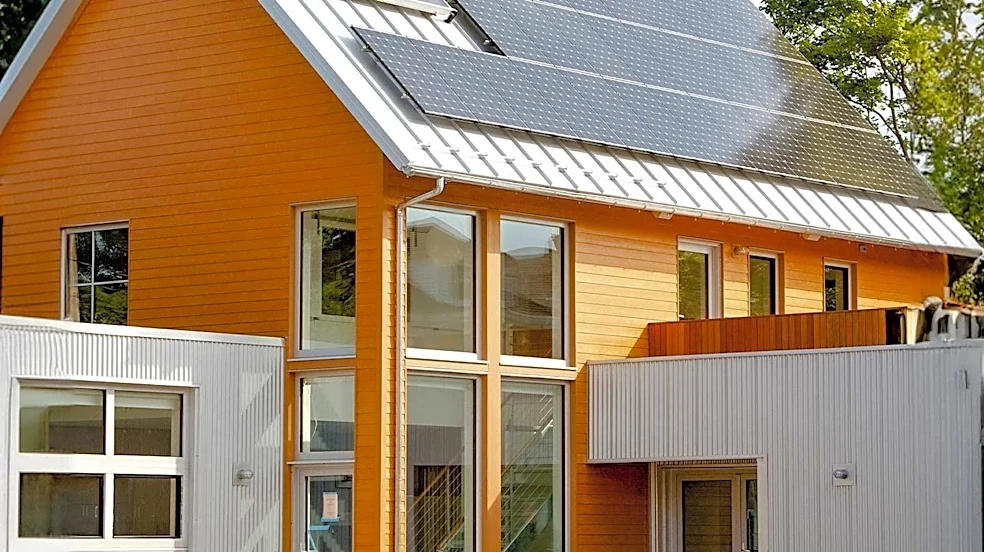
Homeowners in the U.S., particularly in regions with harsh winters like the Upper Peninsula of Michigan, are increasingly looking to energy-efficient windows and siding to control heating bills and improve home comfort. These exterior components form
part of the 'building envelope,' a comprehensive system that acts as a barrier between a home's interior and the outdoors. Older windows, such as single-pane or those with failed seals, are significant sources of heat loss and drafts. Modern energy-efficient windows feature multiple panes, low-emissivity coatings, argon gas fills, improved frame materials like vinyl or fiberglass, and better weatherstripping to reduce heat transfer. Similarly, insulated siding systems, which include framing, sheathing, weather-resistant barriers, and siding boards, provide added thermal resistance and reduce thermal bridging, preventing heat from escaping and enhancing comfort near exterior walls. These upgrades are particularly beneficial in cold climates with freeze-thaw cycles, high winds, and extreme cold temperatures.
Why It's Important?
The focus on energy-efficient windows and siding is vital for U.S. homeowners due to their direct impact on utility costs, home comfort, and structural integrity. High heating bills are a significant financial burden, and upgrading these exterior elements can lead to substantial savings. Beyond cost, a well-sealed and insulated building envelope improves indoor comfort by eliminating drafts and maintaining consistent temperatures, reducing the workload on HVAC systems. This also contributes to the longevity of the home by preventing moisture intrusion, which can lead to mold, leaks, and structural damage. For regions like the Upper Peninsula, where extreme weather is common, these upgrades are not just about efficiency but also about durability and protection against the elements. Furthermore, energy-efficient homes are increasingly attractive to buyers, enhancing property value and supporting broader environmental goals by reducing energy consumption.
What's Next?
Homeowners are advised to assess their current windows and siding for signs of aging, such as drafts, condensation between panes, or visible deterioration. While replacing both windows and siding simultaneously offers the greatest energy savings and improved integration, the decision to prioritize one over the other depends on the severity of existing damage. If windows are failing significantly, they should be replaced first. If siding is severely damaged, it takes precedence. When both are aging, replacing them together can save on future labor costs and improve overall weatherproofing. Homeowners should seek experienced, expert installers who understand the importance of properly integrating all components of the building envelope. Choosing products with Energy Star ratings and materials like vinyl for both windows and siding is recommended for optimal performance in challenging climates. Local building supply companies can offer expertise tailored to regional weather conditions.
Beyond the Headlines
The emphasis on the 'building envelope' highlights a holistic approach to home energy efficiency, moving beyond individual components to consider the entire structure as an interconnected system. This perspective can drive innovation in construction practices, promoting integrated design and installation methods that maximize energy performance. It also underscores the importance of skilled labor in the home improvement sector, as proper installation is as crucial as the quality of the materials themselves. From a policy standpoint, this focus could lead to more comprehensive building codes and incentive programs that encourage integrated exterior upgrades rather than piecemeal solutions. Culturally, it reinforces the idea that a home's exterior is not just about aesthetics but is a critical determinant of its environmental footprint, comfort, and long-term value, influencing consumer choices and market trends in residential construction and renovation.