



What's Happening?
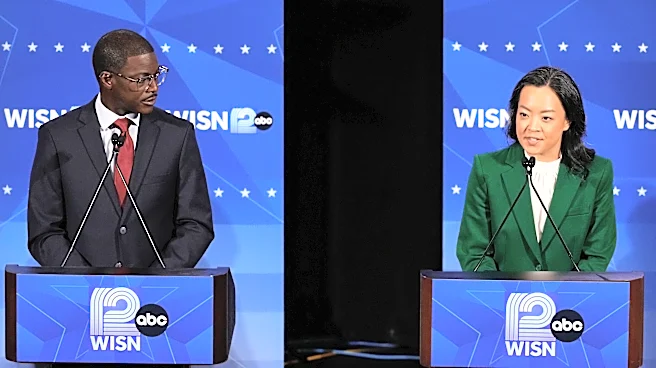
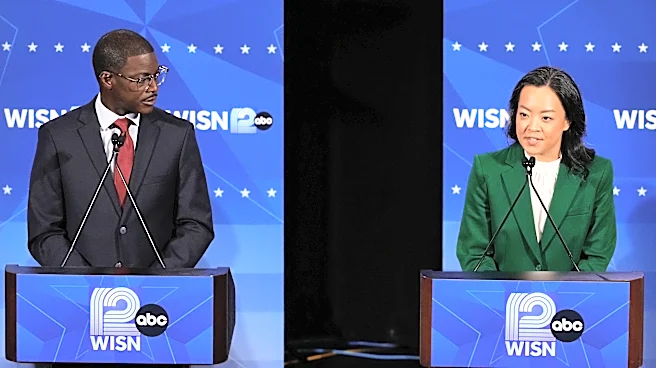
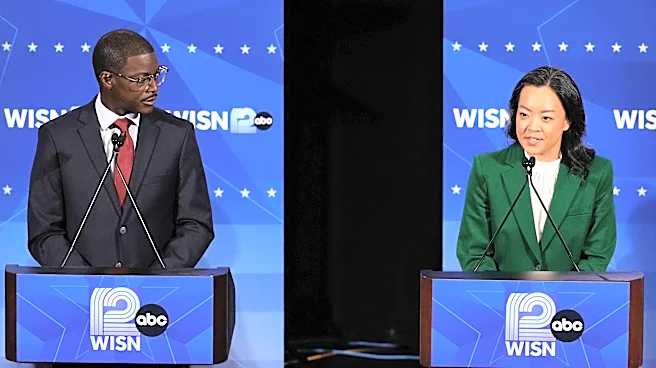
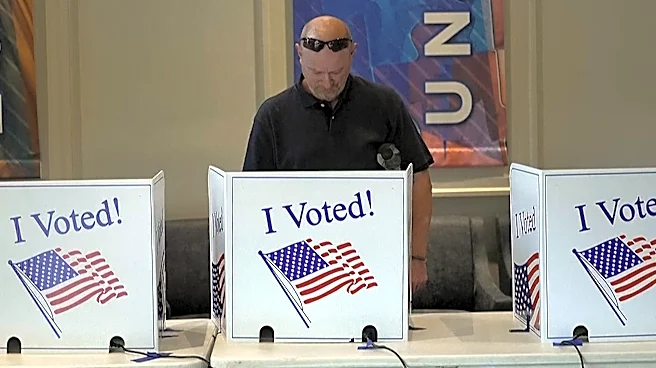
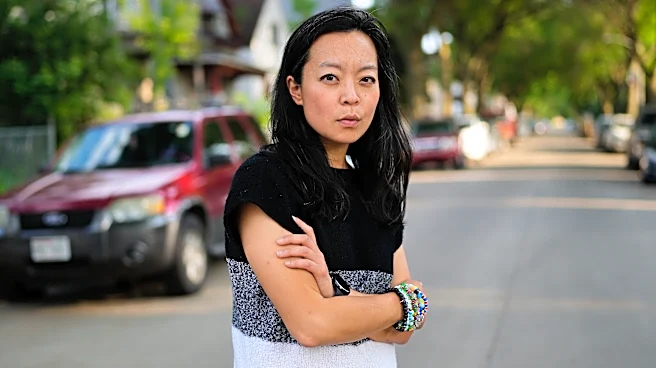
The recent Democratic primaries in Wisconsin and Minnesota have underscored the ongoing ideological battles within the party. In Wisconsin, the gubernatorial primary was a close contest between democratic socialist Francesca Hong and moderate David Crowley,
reflecting the party's internal struggle between progressive and moderate factions. Despite strong support from progressive circles, Hong faced concerns about her electability, which may have influenced the tight race. Meanwhile, in Minnesota, Lt. Gov. Peggy Flanagan, a progressive candidate, won the Democratic Senate primary against moderate Rep. Angie Craig. Flanagan's victory was seen as a win for the progressive wing, bolstered by endorsements from prominent figures like Bernie Sanders. These primaries are part of a broader trend where the Democratic Party is testing its ideological direction, especially in key battleground states.
Why It's Important?
The outcomes of these primaries are significant as they may shape the Democratic Party's strategy and candidate selection in future elections. The close race in Wisconsin highlights the challenges progressives face in gaining broader support beyond urban areas, which could impact their ability to win in general elections. Conversely, Flanagan's success in Minnesota suggests that progressive candidates can still secure victories, especially with strong endorsements and clear policy stances. These developments could influence the party's approach to key issues like immigration and economic policy, as well as its ability to unify different factions ahead of the 2028 presidential election. The results also reflect voter sentiment and priorities, which could guide future campaign strategies.
What's Next?
As the Democratic Party continues to navigate its internal divisions, the focus will likely shift to how these primary results influence the general elections. Candidates like Flanagan will need to consolidate support and appeal to a broader electorate to secure victories in November. The party's leadership may also need to address the concerns of both progressive and moderate voters to maintain unity and effectiveness. Additionally, the outcomes could prompt discussions on policy adjustments and strategic shifts to better align with voter expectations and demographic changes. The results from these primaries will be closely analyzed to inform future candidate selections and campaign strategies.