









What's Happening?
Amy Pope, Director-General of the International Organization for Migration (IOM), has highlighted the severe impact of climate change in South Asia, where rising seas, flooding, and drought are threatening livelihoods and forcing mass displacement. During
a visit to New Delhi, Pope noted that up to 40.5 million people in the region could be displaced by 2050 in a worst-case scenario. She cited Nepal's August 26 disaster, involving a mountain and glacier collapse that caused deadly flooding, as an example of the immediate humanitarian crises. Climate change is also accelerating urbanization in India as people move to urban centers seeking refuge from extreme heat. Pope emphasized a global lack of urgency and inadequate funding for climate change preparedness, despite the fact that investing in resilience measures is significantly less costly than responding to humanitarian disasters.
Why It's Important?
The potential displacement of millions in South Asia due to climate change carries significant global implications, including for the United States. While not directly impacting U.S. borders, such large-scale migration can create geopolitical instability, humanitarian crises, and economic disruptions that ripple across international markets and alliances. The IOM's call for increased funding and proactive measures underscores the need for international cooperation, which often involves U.S. leadership and financial contributions. The emphasis on using better data and artificial intelligence for forecasting and identifying at-risk communities highlights a growing trend in disaster preparedness, potentially driving innovation in U.S. tech and aid sectors. Furthermore, the discussion on international migration as a means for people to earn a living and fill labor shortages abroad could influence U.S. immigration policies and foreign aid strategies, particularly in how the U.S. engages with developing nations facing similar climate-induced challenges.
What's Next?
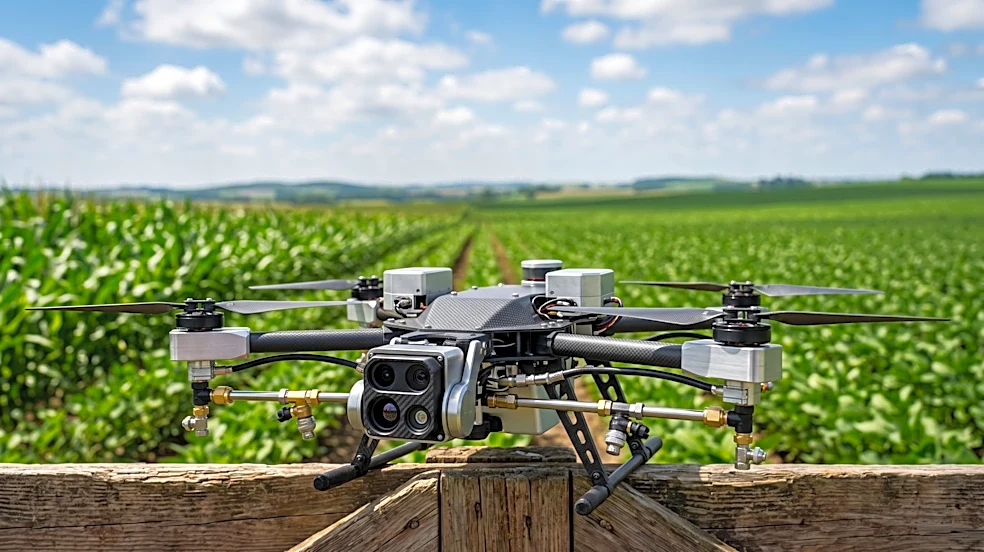
Pope suggests that governments, with the aid of better data and artificial intelligence, can proactively identify communities at high risk of displacement before disasters strike. This involves combining weather forecasts with local livelihood information to pinpoint areas most in need of assistance. Potential measures include improving farming methods, providing training for alternative jobs, and, when necessary, relocating communities repeatedly affected by floods or droughts. A major obstacle remains securing funding for these programs, as governments often struggle to access available climate adaptation funds. India's investments in early-warning systems, disaster response, and technology offer a model for optimism, but Pope stresses that no single government can tackle the challenge alone. Additionally, international migration could be leveraged to help people find livelihoods and address labor shortages globally, with India's technological capacity potentially enabling its workers to compete internationally as AI reshapes employment.
Beyond the Headlines
The IOM's warning extends beyond immediate humanitarian concerns, touching upon deeper ethical and societal implications. The concept of 'climate refugees' challenges traditional definitions of migration and asylum, potentially leading to new international legal frameworks and responsibilities. The acceleration of urbanization due to climate change, as seen in India, can strain existing infrastructure and resources in cities, leading to social unrest and increased inequality. The call for AI integration in disaster preparedness raises questions about data privacy, algorithmic bias, and equitable access to advanced technologies. Moreover, the discussion on labor mobility and upskilling workers for an AI-driven economy highlights the long-term economic shifts climate change can trigger, necessitating global collaboration on education, workforce development, and fair labor practices to prevent exploitation and ensure a just transition for affected populations.