


What's Happening?
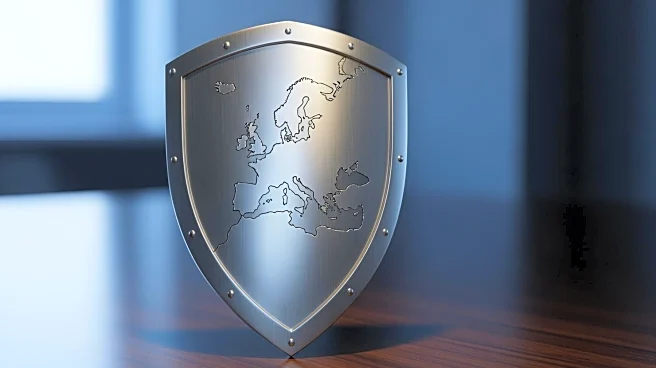
The European Union has finalized changes to its corporate sustainability laws, scaling back requirements for companies to address environmental and human rights risks in their supply chains. This decision follows pressure from businesses and governments,
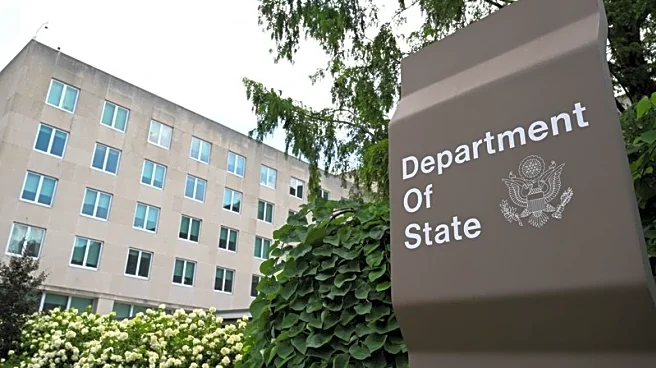
including the U.S. and Qatar. The revised laws will now apply only to the largest EU corporations and foreign companies with significant EU turnover. The changes have been criticized by environmental groups and some investors for potentially making it harder to identify sustainable companies. The EU has also delayed compliance deadlines and removed certain climate change transition requirements.
Why It's Important?
The EU's decision to weaken its sustainability laws reflects the complex balance between regulatory oversight and economic competitiveness. By limiting the scope of these laws, the EU aims to reduce the regulatory burden on businesses, potentially enhancing their global competitiveness. However, this move has raised concerns about the EU's commitment to sustainability and could impact its reputation as a leader in environmental governance. The changes may also influence global supply chain practices, as companies adjust to the new regulatory landscape. The U.S. and Qatar's involvement highlights the geopolitical dimensions of environmental policy, particularly in the context of energy supply and trade relations.
What's Next?
As the new laws come into effect, companies will need to navigate the revised regulatory environment, balancing compliance with operational efficiency. The EU's decision may prompt other regions to reassess their sustainability regulations, potentially leading to a fragmented global approach. Stakeholders, including environmental groups and investors, are likely to continue advocating for stronger sustainability commitments. The EU's ability to enforce these laws and the response from the international community will be critical in shaping the future of corporate sustainability governance.