



What's Happening?
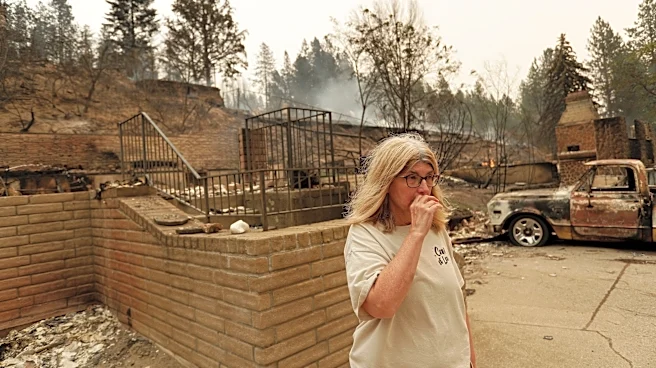
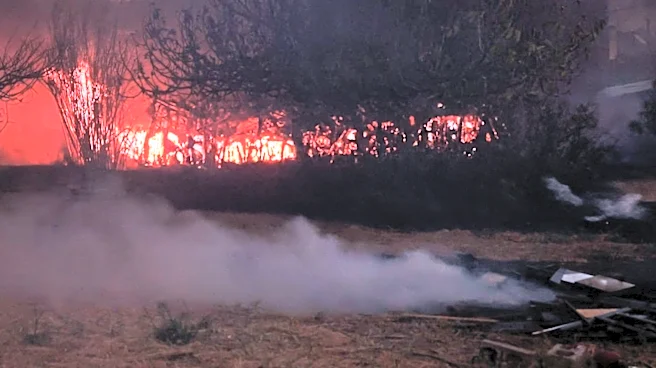
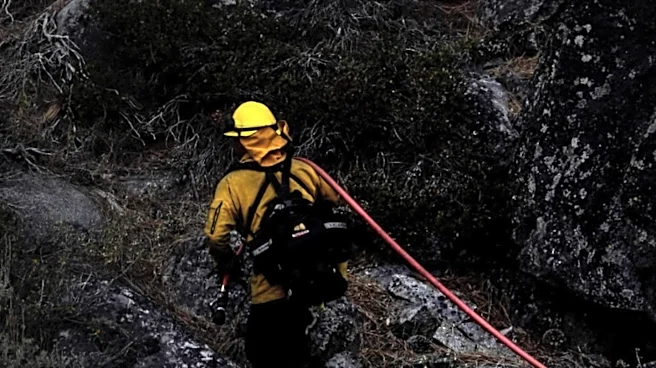
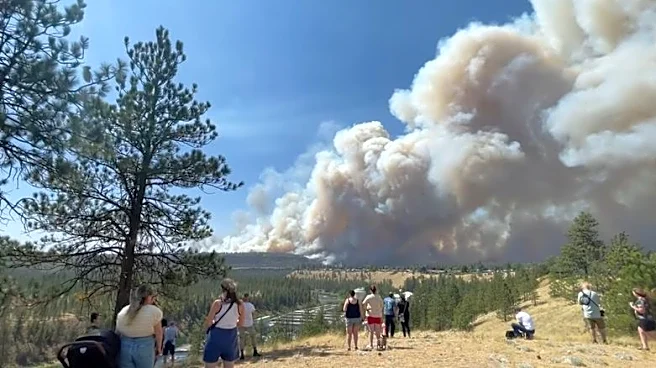
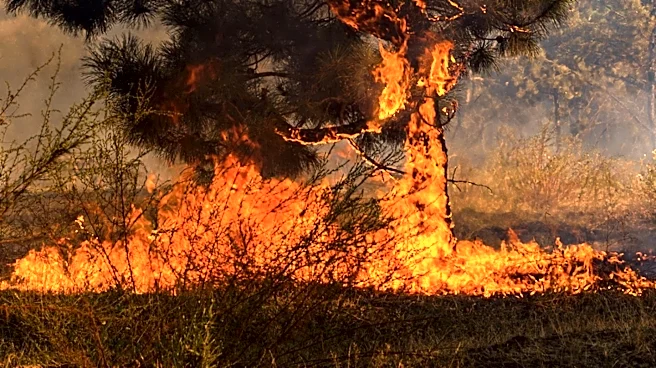
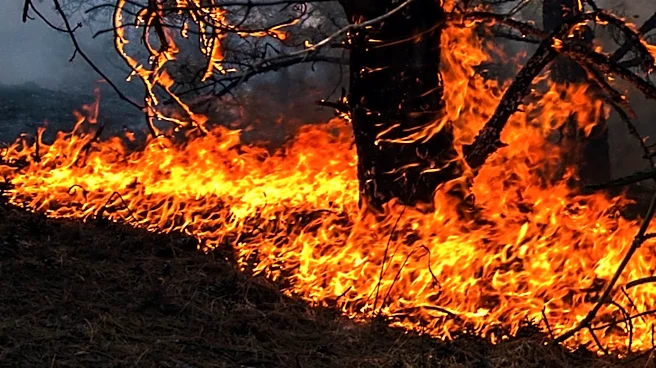
Wildfires in eastern Washington state have led to the destruction of approximately 600 structures and the evacuation of about 5,000 homes. The fires, which remain uncontained, have burned over 8.2 square miles around Spokane, stretching the resources
of federal, state, and local agencies. The fires are part of a larger series of wildfires across the western U.S., exacerbated by dry conditions and high temperatures. No fatalities have been reported, but the fires continue to pose a significant threat to communities and infrastructure.
Why It's Important?
The wildfires in eastern Washington highlight the increasing frequency and intensity of such events in the western U.S., driven by climate change and environmental factors. The destruction of homes and businesses underscores the economic and social impact on affected communities. The situation also raises concerns about the capacity of emergency services to respond to multiple large-scale fires simultaneously. The fires contribute to poor air quality and health risks, affecting a broader region beyond the immediate fire zones.
What's Next?
Efforts to contain the wildfires will continue, with firefighting teams utilizing all available resources to protect lives and property. The state of emergency declared by Washington's governor may facilitate additional support and resources. The situation may prompt discussions on long-term strategies for wildfire prevention and management, including land use planning and climate adaptation measures. The broader implications of climate change on wildfire patterns may also be a focus of policy discussions at both state and national levels.