







What's Happening?
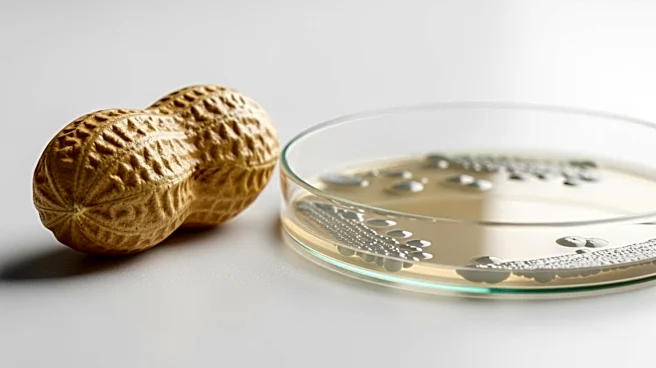
A study involving the Francisco de Vitoria University has discovered that certain bacteria in the mouth can break down allergenic proteins in peanuts, potentially reducing the severity of allergic reactions. The research, published in the journal Cell
Host & Microbe, highlights the role of oral bacteria, specifically of the genus Rothia, in deactivating peanut proteins that trigger immune responses. This finding could lead to new approaches in managing food allergies, which affect millions globally and can cause severe reactions such as anaphylaxis.
Why It's Important?
This study offers a promising avenue for reducing the impact of food allergies, particularly peanut allergies, which are among the most common and severe. By understanding the role of oral bacteria in modulating immune responses, researchers can explore new preventive strategies or treatments that harness these natural processes. This could significantly improve the quality of life for individuals with food allergies and reduce the healthcare burden associated with managing allergic reactions. The findings also contribute to the broader understanding of the human microbiome's influence on health and disease.