







What's Happening?
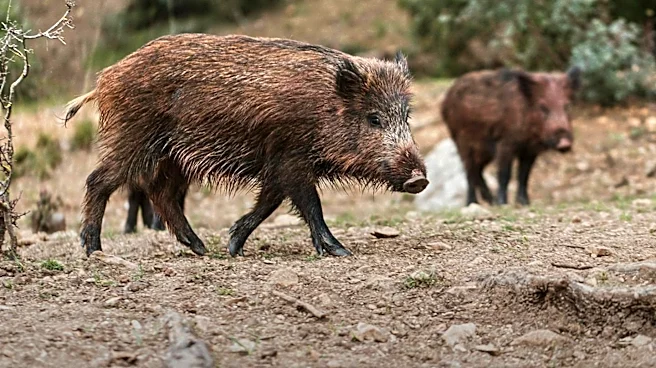
On Okunoshima Island in Japan, a significant ecological shift is occurring as wild boars have begun preying on rabbits, a behavior not typically associated with these animals. The island, known for its large population of free-range rabbits, attracts
numerous tourists who feed the animals. This practice has led to an overpopulation of rabbits, which in turn has altered the island's ecosystem. According to a study published in the Journal of Ecotourism, the abundance of food left by tourists and the high density of rabbits have encouraged wild boars to scavenge rabbit carcasses and, in some cases, hunt live rabbits. Researchers, including Shingo Kaneko from Fukushima University, emphasize that while the introduction of new predators is not the primary concern, the impact of wildlife tourism on natural ecosystems is significant. The study suggests implementing stricter feeding regulations, monitoring rabbit populations, and educating tourists and officials to mitigate these ecological changes.
Why It's Important?
The situation on Okunoshima Island highlights the broader implications of wildlife tourism on natural ecosystems. The introduction of non-native species and human interaction can lead to unforeseen ecological consequences, such as altered food chains and habitat degradation. This case serves as a cautionary tale for other wildlife tourism destinations, emphasizing the need for sustainable practices to prevent similar disruptions. The economic benefits of tourism must be balanced with environmental stewardship to protect biodiversity and maintain ecological stability. Failure to address these issues could lead to long-term ecological damage, affecting not only wildlife but also the tourism industry that relies on these natural attractions.
What's Next?
To address the ecological imbalance on Okunoshima Island, researchers recommend several measures. These include enforcing stricter regulations on tourist feeding practices, conducting regular monitoring of rabbit populations, and analyzing vegetation changes. Educating tourists and local officials about the ecological impact of their actions is also crucial. These steps aim to restore the island's natural balance and prevent further disruption. The outcomes of these interventions could serve as a model for managing wildlife tourism in other regions, promoting a more sustainable approach that benefits both the environment and the local economy.