







What's Happening?
The U.S. Department of Agriculture’s Rural Utilities Service (RUS) has initiated a new $410 million Rural Energy Program, named Powering Affordable Reliable Technology. This program offers partially forgivable loans to electric cooperatives and other
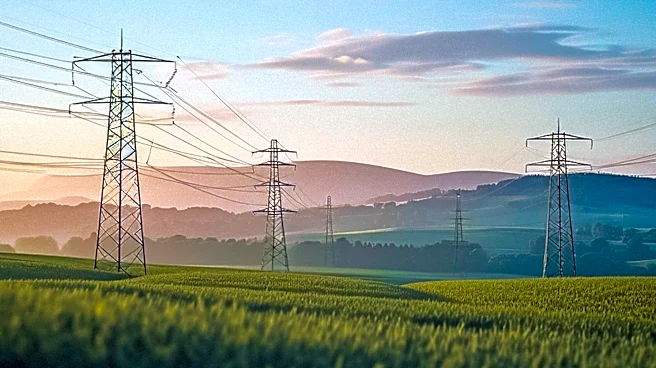
eligible entities. The primary objective is to bolster affordable and reliable energy infrastructure, enhance rural power supply, and fortify electric grid resilience across the United States. The loans are designated for various infrastructure projects, including the construction of hydropower, geothermal, and biomass facilities. Additionally, they can fund energy storage projects designed to support intermittent renewable power sources, as well as new or upgraded electric transmission and distribution lines and associated equipment, such as microgrids. The agency is currently accepting letters of interest for this program through October 9.
Why It's Important?
This program is crucial for improving energy infrastructure in rural America, which often faces challenges in accessing reliable and affordable power. By providing partially forgivable loans, the USDA incentivizes investments in renewable energy sources like hydropower, geothermal, and biomass, alongside essential grid upgrades and energy storage solutions. This initiative directly addresses the need for a more resilient and sustainable energy supply in underserved areas. Strengthening the electric grid in rural regions can prevent outages, reduce energy costs for residents and businesses, and support economic development. The focus on diverse energy sources also contributes to a more balanced energy portfolio, reducing reliance on single forms of generation and enhancing overall energy security for the nation.
What's Next?
Electric cooperatives and other eligible entities interested in the Powering Affordable Reliable Technology program must submit their letters of interest by October 9. Following this deadline, the USDA will likely proceed with evaluating applications and disbursing funds to approved projects. The implementation of these projects will lead to the construction and upgrade of various energy facilities and grid infrastructure across rural areas. This will involve significant planning, engineering, and construction phases, with ongoing oversight from the RUS. The success of this initial round of funding could influence future allocations and the expansion of similar programs aimed at modernizing the U.S. energy landscape and ensuring energy equity for all communities.
Beyond the Headlines
Beyond the immediate infrastructure improvements, this program signifies a broader commitment to sustainable rural development and energy independence. The inclusion of partially forgivable loans suggests a recognition of the financial challenges faced by rural utilities and a strategic effort to de-risk investments in advanced energy technologies. This approach could foster innovation in energy solutions tailored for rural environments and encourage greater adoption of renewable energy. Furthermore, by strengthening grid resilience, the program indirectly supports national security by making critical infrastructure less vulnerable to disruptions, whether from natural disasters or cyber threats. It also highlights the evolving role of government in catalyzing private and cooperative sector investment in critical infrastructure, aligning economic development with environmental sustainability goals.