






What's Happening?
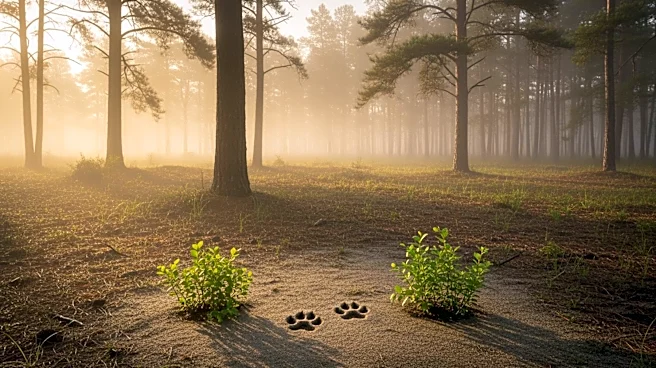
Biologists on Kiawah Island have discovered the first bobcat den of the 2026 season, finding two baby bobcats, a boy and a girl. This discovery is seen as a positive sign for the recovery of the bobcat population on the island, which had been severely
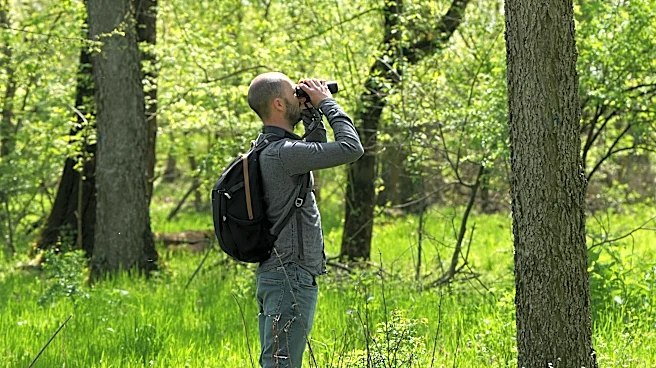
affected by the use of second-generation anticoagulant rodenticides. These poisons, commonly used in bait boxes, were linked to a significant decline in the bobcat population from 35 to just 10 between 2017 and 2020. In response, the town initiated the Bobcat Guardian Program in 2020, encouraging residents and businesses to cease using these harmful rodenticides. Biologists have been tracking and monitoring bobcats with GPS collars for nearly two decades to better understand and protect the species.
Why It's Important?
The discovery of the bobcat den is crucial as it suggests that conservation efforts on Kiawah Island are beginning to pay off. The decline in the bobcat population was a significant environmental concern, as these animals play a vital role in the ecosystem by controlling rodent populations. The Bobcat Guardian Program's success could serve as a model for other communities facing similar wildlife conservation challenges. The recovery of the bobcat population also highlights the importance of community involvement in conservation efforts, as local residents and businesses have played a key role in reducing the use of harmful rodenticides.
What's Next?
Continued monitoring and protection efforts are expected to further aid the recovery of the bobcat population on Kiawah Island. Biologists will likely continue to track the health and movements of the bobcats using GPS collars. The success of the Bobcat Guardian Program may encourage other communities to adopt similar measures to protect local wildlife. Additionally, ongoing public education about the impacts of rodenticides and alternative pest control methods will be crucial in sustaining the positive trend in bobcat population recovery.