




What's Happening?
Russia has commenced three days of extensive nuclear weapons drills involving thousands of troops across the country. This development occurs as Kyiv escalates its drone attacks and President Vladimir Putin heads to China. The drills follow the breakdown
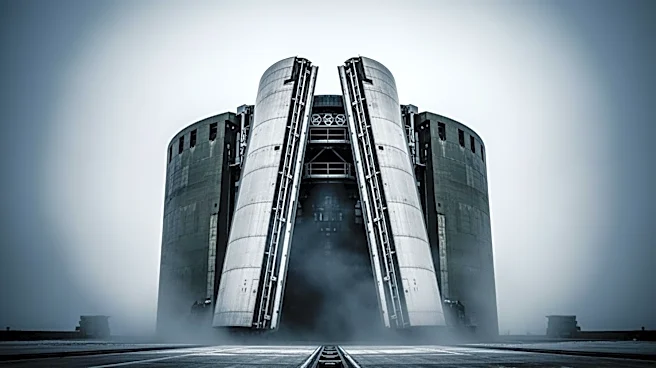
of the last nuclear arms pact between Russia and Washington and are part of Moscow's ongoing display of nuclear capabilities. The exercises involve over 65,000 soldiers and various military equipment, including missile launchers, aircraft, and submarines. The drills also address the joint training and use of nuclear weapons deployed in Belarus, a move that has raised concerns among NATO members.
Why It's Important?
These drills underscore the heightened tensions between Russia and Ukraine, as well as the broader geopolitical implications for NATO and global security. The breakdown of the nuclear arms pact with Washington removes previous restrictions, potentially escalating the arms race between the world's largest nuclear powers. Russia's focus on enhancing its nuclear forces signals a strategic priority that could influence global military balances. The involvement of Belarus in these drills further complicates the security dynamics in Eastern Europe, posing challenges for NATO's strategic planning and response capabilities.
What's Next?
The international community will closely monitor the outcomes of these drills and any subsequent military actions by Russia. Diplomatic efforts may intensify to address the escalating tensions and prevent further deterioration of relations between Russia and Western nations. The potential for renewed negotiations on nuclear arms control could emerge as a critical area of focus. Additionally, Ukraine's response and its military preparedness will be pivotal in shaping the regional security landscape.