



What's Happening?
The increasing prevalence of AI-generated models on social media and in advertising is sparking concerns about its potential negative impact on body image, particularly among young people. Mia Perumal, a 19-year-old Cardiff University student who has
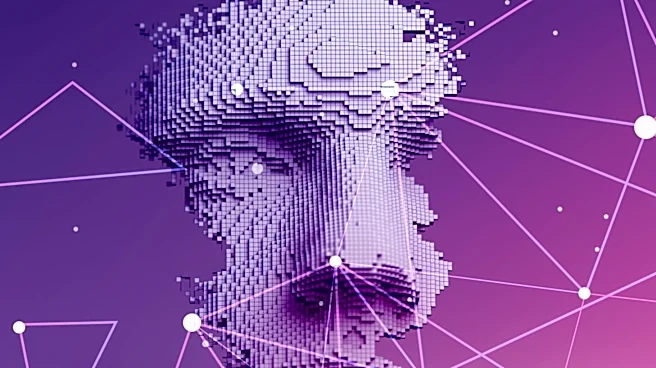
recovered from an eating disorder, expressed worry that AI technology could exacerbate unrealistic beauty standards. She noted a rise in extremely thin AI-generated 'beautiful people' online, with comments from young girls expressing desires to emulate these unobtainable physiques. Perumal believes that if she had encountered such AI models during her own struggle with an eating disorder, the impact would have been severe. The difficulty in distinguishing AI-generated content from real images further complicates the issue, as AI models are becoming increasingly sophisticated and harder to identify.
Why It's Important?
This development is significant because it introduces a new dimension to the existing challenges of body image and self-esteem, particularly for vulnerable populations like adolescents. The proliferation of AI models that often default to narrow, idealized beauty standards can intensify societal pressures to conform to unrealistic physical appearances. Unlike traditional media, AI-generated images can be created and disseminated at an unprecedented scale, making it harder for individuals to escape constant exposure to these unattainable ideals. This could lead to increased rates of body dissatisfaction, eating disorders, and mental health issues. Furthermore, the lack of clear labeling for AI-generated content means consumers, especially young people, may unknowingly compare themselves to non-existent figures, undermining their self-worth and promoting unhealthy aspirations. The economic implications extend to industries like fashion and advertising, which are increasingly using AI models, potentially alienating consumers who prefer authenticity and diversity.
What's Next?
Addressing the concerns surrounding AI models and body image will likely involve a multi-faceted approach. There may be calls for stricter regulations and clearer labeling requirements for AI-generated content in advertising and social media to help consumers differentiate between real and artificial images. Educational initiatives could also be developed to improve AI literacy among young people, teaching them to critically evaluate the content they encounter online. Additionally, there might be a push for AI developers and companies to program their algorithms to promote greater diversity and inclusivity in AI-generated models, moving away from narrow beauty ideals. Stakeholders, including mental health organizations, consumer advocacy groups, and policymakers, are expected to engage in discussions to formulate guidelines and best practices for the ethical use of AI in visual media to mitigate its potential harm on public health and body image.
Beyond the Headlines
Beyond the immediate concerns of body image, the rise of AI models touches upon deeper ethical and societal implications. The increasing ability of AI to create hyper-realistic, yet entirely artificial, representations of humans blurs the lines between reality and simulation, potentially impacting our perception of authenticity and human connection. This technology could also have long-term effects on the creative industries, raising questions about the value of human artistry and modeling in an era where AI can generate endless variations of 'perfect' figures. Culturally, it could further entrench a superficial focus on appearance, diverting attention from more substantive human qualities. The challenge lies in harnessing the technological advancements of AI for beneficial purposes, such as promoting diversity and accessibility, while simultaneously safeguarding against its potential to perpetuate and amplify harmful societal biases and unrealistic expectations.