







What's Happening?
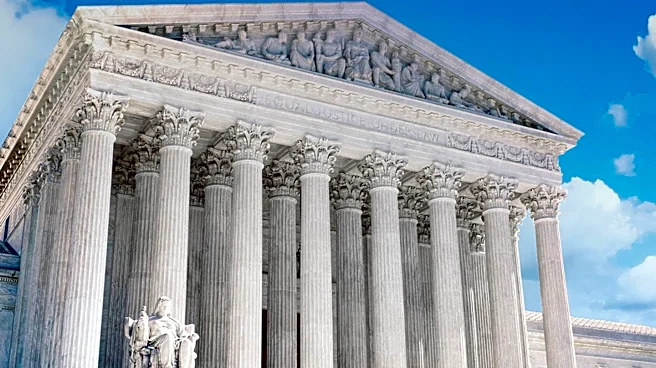
The Supreme Court, in the case of Village of Euclid v. Ambler Realty, upheld the power of cities to implement comprehensive zoning laws. This decision, made almost a century ago, involved a challenge by Ambler Realty against the village of Euclid, Ohio's
ordinance that divided the area by use, height, and area. Ambler Realty, which owned 68 acres with significant industrial potential, argued that the zoning ordinance, which restricted their land to single- and two-family dwellings near Euclid Avenue, effectively confiscated their freedom to use their property and significantly reduced its value. The company claimed that land worth $10,000 an acre for industrial use would only fetch $2,500 for residential use. The case was initially struck down by a federal district judge but was later reversed by the Supreme Court in a 6-3 decision. The Court's ruling, delivered by Justice George Sutherland, established that zoning was a legitimate exercise of police power, allowing governments to regulate for public health, safety, and general welfare, even if it burdened some property owners.
Why It's Important?
The Supreme Court's decision in Euclid v. Ambler Realty is a foundational ruling for modern urban planning and land-use regulation in the United States. It legitimized comprehensive zoning as a tool for municipalities to manage growth and development, moving away from a system where property owners had near-absolute freedom in land use. This ruling provided the legal framework for cities nationwide to implement zoning ordinances, influencing everything from residential density and commercial development to environmental protection and infrastructure planning. While proponents viewed zoning as bringing scientific order to urban growth, opponents raised concerns about officials mistaking preferences for public welfare and the potential for lobbying influence. The decision also highlighted the tension between individual property rights and the collective good, a debate that continues to shape legal and policy discussions around land use. The ruling's impact on property values and the ability of communities to shape their character remains a significant aspect of its legacy.
What's Next?
A century after the Euclid decision, the debate over zoning continues, with ongoing legal challenges and policy discussions. While the core holding of Euclid remains firm, the Supreme Court has, in subsequent cases like Nectow v. City of Cambridge, Nollan v. California Coastal Commission, and Dolan v. City of Tigard, established limits around zoning, particularly concerning the demands governments can place on property owners for development permits. Future legal challenges are likely to continue to refine the boundaries of zoning authority, especially as urban environments evolve and new societal needs emerge. The ongoing tension between promoting public welfare through zoning and protecting individual property rights will likely lead to further litigation and legislative efforts to balance these competing interests. The long-term implications of zoning on housing affordability, social equity, and economic dynamism will also remain central to policy debates.
Beyond the Headlines
The Euclid v. Ambler Realty decision has deeper implications beyond its immediate legal impact on land use. It laid the groundwork for the concept of 'Euclidean zoning,' which often separates residential, commercial, and industrial areas. While intended to promote public welfare, this form of zoning has been criticized for contributing to urban sprawl, increasing housing costs, and perpetuating social and economic segregation. The case also touches upon the ethical dimension of government power, specifically the extent to which a municipality can restrict individual property rights for the perceived greater good. The historical context reveals that some early zoning efforts were used as tools for ethnic exclusion, highlighting the potential for such regulations to be misused. The ongoing battle over zoning reflects a broader societal discussion about how communities should be structured, who benefits from these structures, and the role of government in shaping the built environment. The decision's legacy continues to influence contemporary debates on housing policy, environmental sustainability, and social justice in urban areas.