




What's Happening?
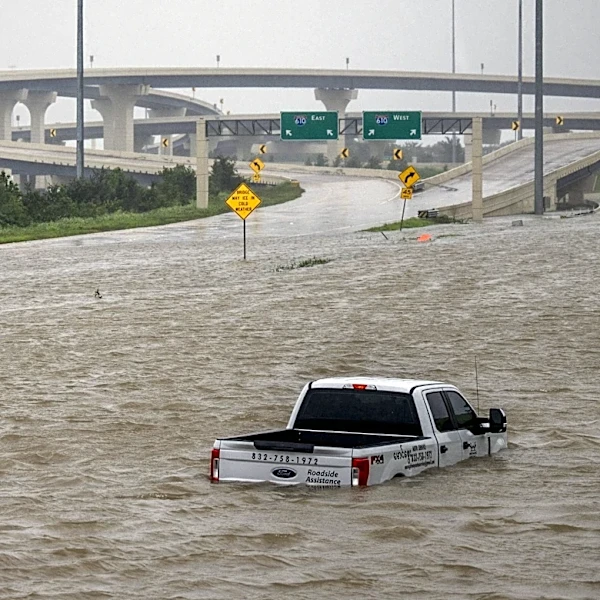
Recent flooding in Connersville, Indiana, has led to a sewage leak from a local plant, discharging untreated wastewater into the Whitewater River. The Ohio River Valley Water Sanitation Commission confirmed the leak, which is occurring approximately 50
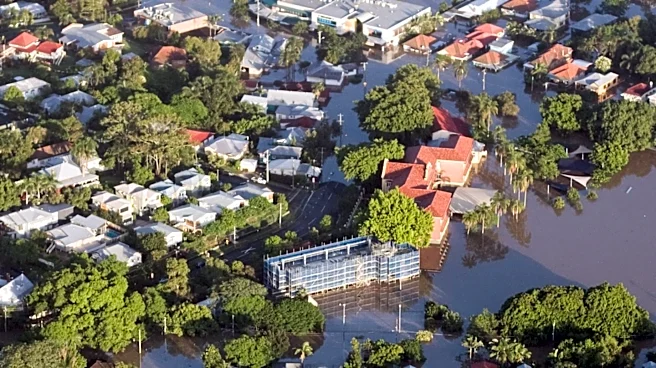
miles northwest of Hamilton County. The facility is currently offline, and plans for repairs are underway. This incident follows severe storms and historic flooding that have impacted Southeast Indiana and other parts of the state. Health officials have issued warnings advising the public to avoid recreational activities in and along the Whitewater River, as well as the Great Miami River south of their confluence. The risk of illness is higher closer to the discharge source, though exposure further downstream could still cause sickness in both humans and animals. Common pathogens found in contaminated recreational waters, such as E. coli and Cryptosporidium, can lead to symptoms like diarrhea, stomach cramps, nausea, and vomiting.
Why It's Important?
This sewage leak poses significant public health and environmental risks to communities along the Whitewater and Great Miami Rivers. The presence of untreated wastewater introduces harmful bacteria and parasites like E. coli and Cryptosporidium into the aquatic ecosystem, threatening human health through direct contact or accidental ingestion during recreational activities. This could lead to outbreaks of gastrointestinal illnesses, impacting local residents and tourists who rely on these rivers for recreation. Environmentally, the influx of raw sewage can deplete oxygen levels in the water, harming aquatic life and disrupting the delicate balance of the river ecosystem. The incident also highlights the vulnerability of critical infrastructure, such as wastewater treatment plants, to extreme weather events exacerbated by climate change. The need for resilient infrastructure and effective disaster response mechanisms becomes paramount to protect public health and natural resources in the face of increasing flood risks.
What's Next?
Repairs to the offline wastewater treatment facility in Connersville are being planned, which will be crucial for stopping the ongoing discharge of untreated sewage. In the interim, health officials will continue to monitor water quality in the affected rivers and update public advisories as conditions change. Residents and visitors are urged to adhere to the current warnings, avoiding swimming, boating, or playing in the contaminated waterways. Special attention should be given to children and pets, who are more susceptible to ingesting contaminated water. Public health agencies will likely continue to educate the community on preventative measures, such as thorough handwashing after any potential contact with river water. Long-term, this event may prompt a review of infrastructure resilience in flood-prone areas and potentially lead to investments in upgrading wastewater treatment facilities to better withstand future extreme weather events.
Beyond the Headlines
The Connersville sewage leak underscores a broader national challenge concerning aging infrastructure and the increasing frequency and intensity of extreme weather events. Many U.S. wastewater treatment systems were not designed to handle the volumes of water associated with modern-day flooding, leading to overflows and environmental contamination. This incident highlights the interconnectedness of public health, environmental protection, and infrastructure investment. Beyond the immediate health risks, there are potential long-term ecological consequences, including impacts on biodiversity and the overall health of the river systems. The economic implications could also extend to local businesses dependent on river tourism and recreation. This event serves as a stark reminder of the urgent need for comprehensive strategies to adapt infrastructure to a changing climate, ensuring the safety and well-being of communities and the preservation of vital natural resources.