








What's Happening?
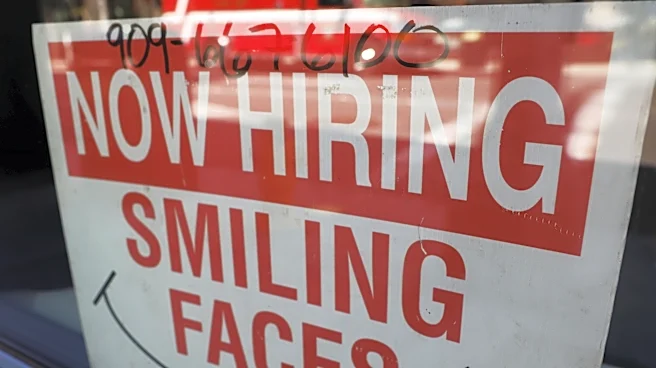
The U.S. economy added 165,000 jobs in October, extending a period of job growth following a slowdown earlier in the summer. This new data coincides with unemployment claims dropping to a 57-year low in October, indicating a stable labor market with relatively
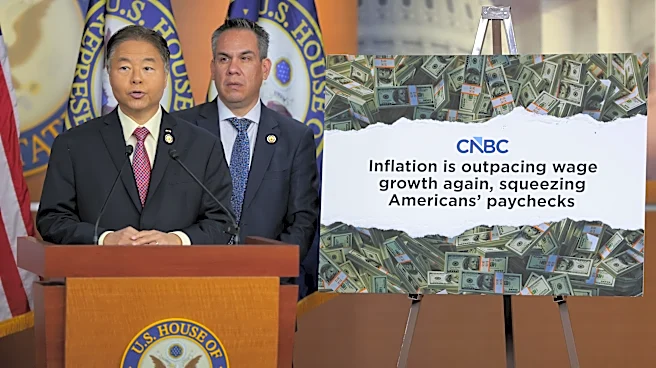
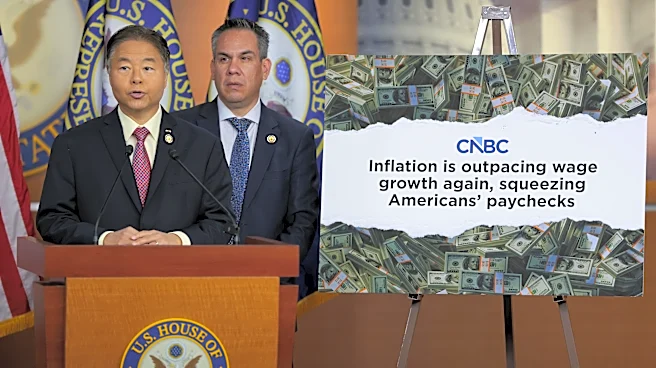
few individuals changing jobs. The unemployment rate decreased to 4.1%, having remained between 4% and 4.5% for the past two years. Despite this job growth, workers' incomes are struggling to keep pace with inflation. Incomes have risen by 3.1%, while inflation has increased by 3.7%. ADP, which monitors private-sector employment, reported that private employers added 86,000 jobs in October. The report highlighted that pay growth was most significant for workers who changed jobs, with their base pay increasing by 4.8%, compared to a 3% increase for those who remained in their current positions. Nela Richardson, ADP's chief economist, noted that employers of all sizes were hiring, and job-changers were attracted by bonuses, overtime, increased hours, and higher base pay, leading to the fastest earnings growth for these workers since March 2024.
Why It's Important?
The persistent gap between wage growth and inflation has significant implications for the purchasing power of American consumers. While a stable labor market and low unemployment rates are generally positive indicators, the fact that incomes are not keeping pace with rising prices means that many households may experience a decline in their real wages. This situation could lead to reduced consumer spending, which is a major driver of the U.S. economy. The Federal Reserve may view strong job growth coupled with high inflation as a signal to continue raising interest rates. Such a move aims to cool price increases but could also potentially slow down economic activity and job creation. The disparity in wage growth between job-stayers and job-changers suggests that workers seeking to improve their financial standing may need to actively pursue new employment opportunities, potentially increasing labor market fluidity but also creating challenges for employers trying to retain staff.
What's Next?
Given the strong job growth and high inflation, the Federal Reserve is likely to continue monitoring economic data closely. The current economic conditions could prompt the Federal Reserve to consider further interest rate hikes to curb inflation. Such actions would aim to stabilize prices but could also impact borrowing costs for businesses and consumers, potentially influencing investment and spending decisions. For workers, the trend suggests that changing jobs might remain a more effective strategy for achieving significant wage increases compared to staying in their current roles. Businesses, in turn, may face ongoing pressure to offer competitive compensation packages, including bonuses and higher base pay, to attract and retain talent, especially in sectors experiencing high demand for labor. The ongoing balance between job creation and inflation control will be a key focus for economic policymakers in the coming months.
Beyond the Headlines
The divergence between nominal wage growth and inflation highlights a broader economic challenge: ensuring that economic prosperity translates into tangible improvements in living standards for the average American. While the labor market appears robust, the erosion of purchasing power due to inflation can create a sense of economic insecurity, even for those with stable employment. This situation could fuel discussions about the effectiveness of current economic policies in protecting consumers from rising costs. Furthermore, the emphasis on job-changing as a primary driver of wage increases could lead to increased labor mobility, potentially reshaping employer-employee dynamics and encouraging companies to re-evaluate their compensation strategies. The long-term implications could include a more dynamic labor market where workers are more willing to seek new opportunities, and employers are under constant pressure to justify employee loyalty through competitive pay and benefits.