





What's Happening?
Home security systems in Pasadena, California, are evolving beyond traditional alarms to incorporate advanced technologies like AI-enabled video surveillance and smart home integration. The focus is on creating comprehensive, resilient barriers against
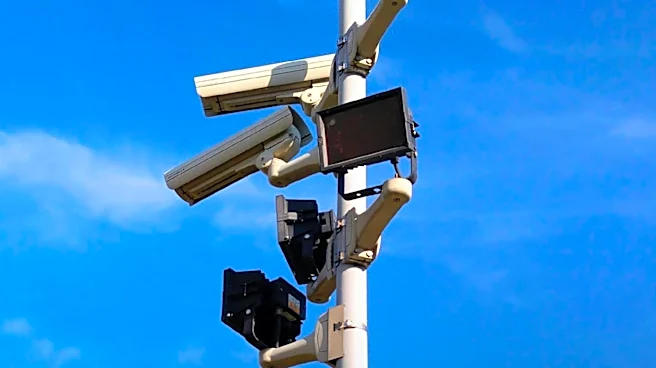
intrusion while offering modern conveniences through mobile integration. While basic DIY starter kits can range from $200 to $500, professional-grade installations with fire, flood, and carbon monoxide detection can exceed $1,000 in upfront equipment costs. The industry standard for excellence is defined by hardware reliability and rapid emergency response, with systems like Alula All-in-One panels, featuring smart self-healing Wi-Fi and real-human AI detection, frequently ranking high. These systems aim to differentiate between benign movements, like pets, and genuine security breaches to reduce false alerts. Visible, professionally monitored systems with high-definition video doorbells and active perimeter sensors are considered effective deterrents against burglars, who typically seek the path of least resistance. Localized monitoring services are highlighted for their familiarity with the San Gabriel Valley's geography and emergency protocols, ensuring swift and accurate responses.
Why It's Important?
The shift towards AI-enabled and professionally monitored home security systems signifies a critical advancement in property protection for U.S. homeowners. This evolution enhances the effectiveness of security measures by reducing false alarms and providing more accurate threat detection, which can lead to faster emergency response times. For residents, this means increased peace of mind and potentially lower risks of property loss due to theft or damage. The integration with smart home technology also offers greater convenience and control, allowing users to manage various aspects of their home environment from a single interface. The emphasis on local monitoring services suggests a trend towards more personalized and efficient security responses, which can be particularly beneficial in specific geographic areas. This development impacts the home security industry by driving innovation and competition, pushing manufacturers and service providers to offer more sophisticated and integrated solutions to meet consumer demands for advanced protection and smart home capabilities.
What's Next?
The home security market is expected to continue its trajectory towards more integrated and intelligent systems. Future developments will likely include further advancements in AI capabilities, leading to even more precise threat detection and fewer false positives. The seamless integration of security systems with other smart home devices, such as thermostats, lighting, and locks, will become standard, offering users a unified platform for home management. There may also be an increased demand for customizable security solutions that cater to specific property needs, from complex commercial properties to residential DIY setups. As technology evolves, the industry will likely see more sophisticated sensors, enhanced cloud video storage options, and improved mobile app functionalities. The focus on localized monitoring services could also expand, with more regional providers offering tailored services that leverage local knowledge and emergency protocols, potentially leading to more efficient and effective responses to security incidents.
Beyond the Headlines
The evolution of home security systems reflects broader societal trends towards increased reliance on technology for safety and convenience. The integration of AI raises ethical considerations regarding privacy and data security, as these systems collect and process sensitive information about household activities. Legal frameworks may need to adapt to address these new technological capabilities, particularly concerning data ownership, surveillance, and the potential for misuse. Culturally, the widespread adoption of smart security systems could alter perceptions of personal safety and privacy, potentially leading to a greater sense of security but also raising questions about constant monitoring. The long-term shift could see homes becoming increasingly interconnected and automated, transforming daily life and requiring individuals to navigate a complex landscape of digital security and privacy management. This technological advancement also highlights the growing divide between those who can afford advanced security solutions and those who cannot, potentially exacerbating existing inequalities in safety and protection.